Hydration Solutions: The Key Takeaways
- Fatigue and heat stress can be downright dangerous and a real drain on productivity; a heat illness prevention plan is essential.
- Fatigue management in the workplace, like staying hydrated, using cooling gear, and making sure there’s a shady spot to rest, can go a long way.
- OSHA and NIOSH both recommend putting a heat safety plan in place to keep workers safe when summer temperatures soar.
- There are plenty of tried-and-true products and tools to help your crew stay cool, alert, and ready to tackle those hot work days.
- Real-world success stories show companies reducing heat-related incidents by up to 50% just by making a few practical changes.
Why Crew Energy Matters on the Job
In physically demanding jobs, staying energized is crucial for workplace safety and getting things done right. Once dehydration or heat exhaustion kicks in, focus slips, mistakes happen, and the risk of injury (sometimes very serious) goes way up.
However, heat stress prevention is very achievable. With the right mix of gear, smart policies, and well-timed breaks, you can keep your team sharp and safe.
This guide breaks down what’s behind worker fatigue and how to fight it, with practical solutions like hydration stations, cooling PPE, and break areas that help people recover.
The Challenges of Fatigue & Dehydration
Fatigue and dehydration are serious hazards on any jobsite. But when you mix high-heat into the equation, especially in high-exertion environments, it can be a recipe for disaster. Together, they weaken the body, impair the brain, and put both individual workers and entire crews at risk.
- Just 1% dehydration (that’s roughly 2lbs of fluid loss) can reduce mental and physical capacity by as much as 12%, while even 3–4% dehydration can cut productivity in half and slow reaction times significantly.
- In 2023, the CDC reported that U.S. emergency departments saw a sharp spike in heat‑related visits, especially among men and adults 18–64, with rates 2–3× higher than 2018–22 averages.
Early Warning Signs to Watch For:
Both supervisors and crew members should know how to spot the early signs of fatigue and dehydration. Heat stress prevention can make all the difference in avoiding serious incidents. Keep an eye out for the following red flags:
- Dizziness or confusion If someone seems spaced, disoriented, or has trouble focusing, they might be in serious need of water and a break. Don’t ignore disorientation, especially on very hot days.
- Muscle cramps Cramping, especially in the legs, arms, or back, is a sign that their body is low on electrolytes (from too much sweating).
- Slowed reactions When a crew member’s reflexes lag, accidents with tools or machinery become a real risk. Again, the dangers rise when the workplace requires quick thinking.
- Noticeable mood swings Irritability, silence, or emotional outbursts can all be signs that someone’s running on empty. If it’s very out of character, it’s a sign that something’s wrong and you need to step in.
Practical Heat Stress Prevention Tips
- Hydration: Have cold water (<15°C / 59°F) available every 15–20 minutes. That’s around 24–32 oz per hour. However, don’t exceed 48 oz/hour.
- Micro-breaks: Short refreshers every hour, or more with heavy PPE or high heat, give the body time to reset.
- Task rotation: Alternate high-exertion tasks with lighter work to reduce strain.
- PPE selection: Offer cooling PPE types like wet-evaporative vests, phase-change liners, or chilled neck wraps.
OSHA Heat Safety Checklists & Guidelines
Beat crew fatigue using the following at-a-glance checklists:
- Hydration schedules (drink 8 oz/15 - 20 min)
- Symptom self-checks (dizziness, cramps, mood)
- Work/rest schedules adjusted by heat index or WBGT (see next section)
- Training per OSHA and NIOSH: water access, heat illness recognition, heat wave alert plans, acclimatization, and personal monitoring
Best Hydration Solutions Practices & Policies
Make sure your approach lines up with OSHA and NIOSH guidelines.
These agencies really know their stuff when it comes to heat-related illness prevention, so it’s smart to build your safety routines around their recommendations.
- Keep in mind: The Heat Index (HI) is based on shady conditions with a light breeze. If your crew is working in direct sun, it can actually feel up to 15°F hotter.
- If you can, go a step further and use Wet Bulb Globe Temperature (WBGT) readings instead. These take into account sunlight, humidity, temperature, and wind. From there, follow NIOSH’s Recommended Exposure Limits (RELs) and Alert Limits (RALs) to help keep everyone safe.
- When building your heat stress prevention plan, factor in more than just the temperature. Consider work intensity, the type of PPE being worn, hydration access, rest breaks, and the daily forecast.
- Don’t set it and forget it. Check for updates regularly. OSHA and NIOSH are both working on new heat index guidance based on the latest research. Staying current on heat injury prevention and heat stroke safety helps you stay compliant and proactive.
Success Stories & Productivity Gains
Want proof that prevention is better than cure? Here are some recent real-world examples that put heat stress safety top of mind:
- Missouri Jobsite Boost a 2024 study of 200 construction workers in the Midwest found that shaded hydration stations reduced cramps and improved focus. Workers called the setup “game-changing” for staying sharp in the heat.
- Cooling Gear DeliversIn 2025, the University of Connecticut’s Korey Stringer Institute tested cooling hats, neck gaiters, and sleeves. Workers stayed 1°F cooler, spent 18 fewer minutes in heat danger zones, and performed better overall. The textbook example of a win-win.
- Hydration Solutions Lead to Higher Output a 2022 review of 33 studies (13,000+ workers) found that hydration stations cut heat stress and improved productivity by up to 14%.
The Hidden Costs of Crew Fatigue
It’s important to remember that crew fatigue isn’t just about slowed work; it can lead to:
- Safety failures: slow reflexes, poor judgment, high risk near machines.
- Productivity hits: errors, rework, slow pace.
- Health costs: increased accidents, workers’ comp claims, emergency care. In fact, U.S. heat-related emergency visits surged in 2023, indicating rising exposures and health risks in outdoor workers.
Hydration Is Just the Beginning
These products are low-cost, easy to deploy, and have been shown to boost productivity by up to 14% in real-world settings.
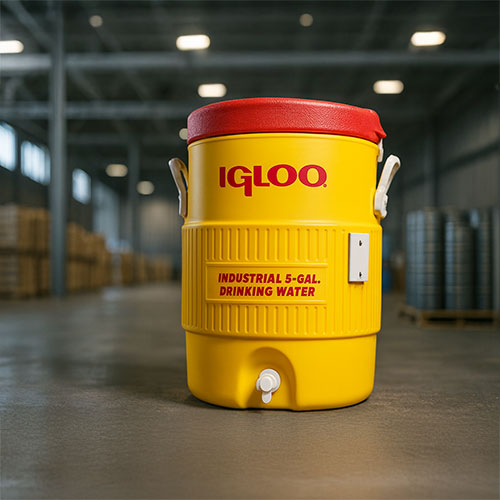
Large Insulated Jugs/Coolers
(e.g. 5‑gallon Igloo-style or industrial hydration stations) paired with reusable bottles or cups. These keep water <15 °C, are easily accessible, and meet CDC heat stress hydration guidance and OSHA heat illness prevention.
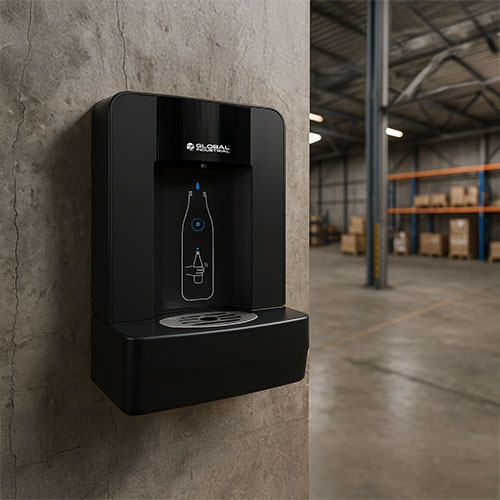
Portable Bottle-fill Stations/Coolers
spaced every 100–200 ft in high traffic or shade zones to ensure crews hydrate often without slowing down.
Combat Heat with Cooling PPE
Reliable PPE can reduce core body temperatures and perceived fatigue while supporting safe output even in high heat.
- Wet-evaporative vests and phase-change liners absorb body heat and slowly release cooling.
- Neck wraps, gaiters, and hats soaked in ice water provide immediate relief when swapped out every 15–20 minutes.
- Water-cooled or air-cooled garments for extreme conditions or full‑body PPE needs, NIOSH recommends using them during active work and rest for faster core temperature reduction.
Build Energizing Rest Areas
Creating effective rest areas helps prevent heat-related illness, supports recovery, and keeps productivity on track. Here's how to do it right:
- Provide Reliable Shade Per OSHA, rest areas must block direct sunlight. If your site lacks natural shade, use utility tents or portable canopies that are easy to set up and UV-resistant.
- Keep It Close to the Work Area Rest areas should be located as close as safely possible to the jobsite. This makes it easier for workers to take breaks without losing time or energy getting there.
- Use Portable Fans for Airflow Air circulation helps cool the body by speeding up evaporation. Portable fans or misters are especially helpful in humid conditions. (Check out the NIOSH heat stress recommendations here.)
- Offer Cold Snacks and Hydrating Drinks Provide access to water, electrolyte beverages, and light snacks to help prevent dehydration and muscle cramps.
- Include Comfortable Seating and Enough Space OSHA requires that rest areas have adequate room for all employees on break. Folding chairs, benches, or shaded picnic tables help encourage full recovery during rest periods.
- Add Coffee or Cold Brew for a Mental Boost Caffeine can help improve alertness, especially during long or early shifts. Just remind workers to drink water too, since caffeine is dehydrating.
You’ve Got Questions. We’ve Got Answers
What’s the best way to prevent heat fatigue?
Start with the basics: water and shade. Then add cooling gear, quick breaks, and teach your team the early warning signs of fatigue look like.
How often should crews hydrate?
OSHA says every 15–30 minutes. BEFORE anyone feels thirsty.
What are the warning signs of heat stress?
Watch for dizziness, cramps, slow reactions, mood shifts, and trouble focusing.
What hydration products work best?
Big insulated coolers (like Igloo 5-gallon) plus personal refillable bottles. Bonus: add cup holders and electrolyte packets.
What if there’s no natural shade onsite?
Pop-up tents and canopies work great. They’re quick to set up and meet OSHA’s rest zone standards.
HI vs. WBGT: what’s the difference?
HI (Heat Index) is good for shady, low-wind spots. WBGT is more precise for full sun or high-heat job sites.
Is all this gear going to cost my company a fortune?
Not really. A few key upgrades can cut down on heat-related incidents and keep productivity steady, even in peak heat.
Final Thoughts on Heat Illness Prevention.
So, this may have all been a lot to take in, but you really don’t have to reinvent the whole job site to make things safer and more productive for both yourself and your crew. Just a few small but smart additions, such as hydration stations, portable fans, and shaded rest areas, can really improve your crew’s health, mood, and performance.
Check out our full lineup of seasonal solutions designed to keep your team cool, safe, and going strong, no matter how steep those scorching summer temps climb. And as always, if you have any questions or requests, a Global Industrial expert is standing by.
The information contained in this article is for informational, educational, and promotional purposes only and is based on information available as of the initial date of publication. It is the reader’s responsibility to ensure compliance with all applicable laws, rules, codes, and regulations. If there is any question or doubt in regard to any element contained in this article, please consult a licensed professional. Under no circumstances will Global Industrial® be liable for any loss or damage caused by your reliance on this article.