Key Takeaways
- Safety shoes are personal protective equipment (PPE). The Occupational Safety and Health Administration (OSHA) requires employers to assess workplace hazards before selecting footwear, then choose footwear that addresses the hazards identified.
- Steel, composite, and alloy toe caps must pass the same impact and compression tests, so all three provide the same certified toe protection. They differ in weight, how readily they transmit heat and cold, and whether they set off metal detectors.
- Protection against electric shock comes from an electrical hazard (EH) rating, which is a property of the sole. Toe material does not determine it.
- Additional protective features are rated separately, and each is used to address a specific hazard. These include electrical hazard protection, slip resistance, metatarsal guards that cover the top of the foot, and puncture-resistant plates.
- Employers must generally provide PPE at no cost. Ordinary safety-toe footwear is an exception if employees are permitted to wear it off the job site.
Safety footwear requirements vary by job. A forklift operator, a maintenance technician working near energized equipment, and a packer on a wet production line face different hazards, and each requires different protection.
The Occupational Safety and Health Administration (OSHA) requires employers to identify those hazards before selecting any personal protective equipment (PPE). Under OSHA's general requirements for personal protective equipment (29 CFR 1910.132), employers must assess the workplace to determine which hazards are present or likely to be present. OSHA's foot protection standard (29 CFR 1910.136) then requires protective footwear wherever employees are exposed to falling or rolling objects, objects piercing the sole, or electrical hazards.
The hazard assessment determines which footwear to buy. The consequences of inadequate foot protection for employees can include injuries, lost workdays, reduced productivity, OSHA citations and penalties, and litigation.
This guide explains how to read a safety shoe's certification label, choose a toe material, and select additional protections. It also covers the program questions that come up most often, including who pays.
Matching Footwear to Your Environment
Use the examples below as a starting point for evaluating footwear. Requirements vary by task and working conditions, so base the final selection on your workplace hazard assessment.
- Warehousing and logistics: Employees walk on hard floors throughout the shift. Prioritize light weight, SR or SRO slip resistance, and cushioning. Alloy or composite athletic-style shoes are well suited.
- Light manufacturing: Often involves electrical or static exposure. Confirm the EH rating, or specify the SD tier your process requires.
- Cold storage and freezers: Choose a composite toe, because metal caps transmit cold. The toe cap alone does not keep feet warm, so also specify insulation and lining suited to the temperature.
- Sites with metal detector screening: Specify fully non-metallic construction, not only a composite toe.
- Construction, demolition, and scrap: Add puncture resistance (PR). Add metatarsal protection (Mt) where objects can strike the top of the foot.
- Healthcare and food service: Slip resistance and all-day comfort are the priorities, often in a low-cut oxford style.
How to Read a Safety Shoe Label
Safety footwear sold in the United States is certified to a standard published by ASTM International, a nonprofit organization that develops voluntary consensus standards for materials, products, and testing. The footwear standard is ASTM F2413, Standard Specification for Performance Requirements for Protective (Safety) Toe Cap Footwear. The current edition, F2413-24, was published in 2024.
F2413 sets minimum performance requirements. Two are mandatory for every certified shoe:
- Impact resistance (I): The toe cap withstands an impact of 75 foot-pounds, equivalent to a 50-pound object dropped from 18 inches.
- Compression resistance (C): The toe cap withstands 2,500 pounds of compressive force.
In both tests, the toe cap must keep a minimum amount of clearance above the toes. Testing follows a companion standard, ASTM F2412, Standard Test Methods for Foot Protection.
All other F2413 ratings are optional. Each is selected based on the hazards identified, including metatarsal protection, electrical hazard resistance, static dissipative and conductive properties, puncture resistance, slip resistance, dielectric insulation, and chainsaw cut resistance.
OSHA does not publish its own performance specification for safety footwear. Its foot protection standard recognizes footwear that meets the ASTM standards. For that reason, the certification marking is what matters. It appears inside the shoe, typically on the tongue, and identifies the standard edition and every rating the shoe has earned.
Footwear advertised as "safety toe" without that marking has not been certified to the standard. When writing a purchase specification, name the standard and the specific ratings required.
Older footwear may be marked I/75 and C/75. The 2018 edition removed a lower protection tier and shortened the markings to I and C. The required protection level did not change.
Toe Materials: Steel, Composite, and Alloy
Steel, composite, and alloy toe caps must all pass the same F2413 impact and compression tests. None is certified as stronger than the others. If a shoe carries the I and C markings, it met the same requirements regardless of the cap material.
The choice comes down to practical differences.
| Weight | Transmits heat and cold | Metal detectors | Best suited to | |
| Steel | Heaviest | Yes | Sets them off | Cost-sensitive programs; proven durability |
| Alloy (aluminum or titanium) | Lighter than steel; slimmest toe box | Yes, less than steel | Sets them off | Warehouse and shop floors where a lighter, low-profile shoe is preferred |
| Composite (fiberglass, carbon fiber, or aramid fibers such as Kevlar) | Lighter than steel; bulkier toe box | No | Passes if the entire shoe is non-metallic | Cold storage; sites with metal detector screening |
Toe material and electrical safety. Toe material does not determine whether footwear protects against electric shock. The toe cap is fully enclosed inside the shoe. Shock protection comes from the insulating sole of footwear certified with an EH rating, and steel-toe footwear can carry an EH rating. Some employers prefer non-metallic construction for electrical work. In that case, specify a composite toe with an EH rating. A composite toe alone does not provide certified shock protection.
Weight. Comparing toe caps alone can be misleading. Employees feel the weight of the entire shoe, and a low-cut steel-toe oxford can weigh less than a tall, waterproof composite-toe boot. If weight is a priority, compare finished footwear rather than selecting by cap material.
Metal detectors. A composite toe cap contains no metal, but eyelets, shanks, and other hardware may. If employees pass through metal detectors, confirm that the entire shoe is non-metallic.
Additional Protective Features
The toe ratings are only part of the label. Each of the following ratings addresses a specific hazard identified in the assessment.
Electrical hazard (EH) footwear provides a secondary source of protection against electric shock. If the wearer accidentally contacts a live circuit, the insulating outsole and heel reduce the current that can flow through the body to the ground. Under F2413, EH footwear must withstand 18,000 volts for one minute with no more than 1.0 milliampere of current leakage, tested in dry conditions. Protection decreases when the sole is wet, worn, or contaminated. EH footwear does not replace primary electrical safety controls such as de-energizing equipment and lockout/tagout.
Static dissipative (SD) footwear works in the opposite direction from EH footwear. It allows static electricity that builds up on the body to drain to the ground at a controlled rate. This protects static-sensitive electronic components and reduces the risk of static sparks. F2413-24 classifies SD footwear in tiers based on electrical resistance, so specify the tier your process requires.
Conductive (CD) footwear has much lower electrical resistance than SD footwear. It keeps the wearer at the same electrical potential as the ground, so static charge cannot build up at all. Conductive footwear is used where even a very small static discharge could ignite explosives or highly volatile materials. Because it conducts electricity readily, it must never be worn where employees could contact live electrical circuits.
These three ratings are not interchangeable, and confusing them can be dangerous. EH footwear insulates the wearer from the ground. SD and CD footwear deliberately connect the wearer to it. Match the rating to the hazard, and do not assume one substitutes for another.
Slip resistance (SR and SRO). The 2024 edition of F2413 added slip resistance ratings to the safety footwear label for the first time. Before then, slip resistance was covered by a separate standard, ASTM F3445, and was not part of F2413 certification. Slip resistance is measured as a coefficient of friction, which indicates how strongly a sole grips a surface. Higher numbers mean more grip. Testing is done on quarry tile, an unglazed clay floor tile. There are two ratings:
- SR (slip resistant): Tested on dry and wet quarry tile, with a minimum coefficient of friction of 0.40.
- SRO (slip resistant on oily surfaces): Meets the SR requirements and is also tested on quarry tile coated with oil and water, with a minimum of 0.33.
For floors that are wet, greasy, or polished, specify SRO and confirm the marking on the label. Many shoes on the market were certified before these ratings existed. A shoe without an SR or SRO marking was not necessarily tested and failed. It may simply have been certified under the 2018 edition.
Metatarsal protection (Mt). The metatarsals are the five long bones that run across the top of the foot, between the toes and the ankle. A toe cap does not cover them. Metatarsal protection extends coverage over this area and is used wherever heavy objects can fall onto or strike the top of the foot.
Puncture resistance (PR) comes from a plate built into the sole. It prevents nails, screws, and other sharp objects from piercing the bottom of the shoe and entering the wearer's foot. It is commonly specified for construction, demolition, and scrap handling.
Dielectric insulation (DI) provides protection against higher electrical exposure than EH and is used primarily in electric utility work. Chainsaw cut resistance (CS) is used in forestry and tree care. Most facilities will not require either rating.
Who Pays for Safety Shoes
Under OSHA's rule on payment for protective equipment (29 CFR 1910.132(h)), employers must provide required PPE at no cost to employees. The rule makes an exception for safety-toe footwear; employers do not have to pay for non-specialty safety-toe footwear, including steel-toe shoes and boots, if they permit employees to wear it off the job site.
Three situations determine how the rule applies:
- Footwear that must stay at the workplace. If the employer requires that the footwear remain on site, the exception does not apply and the employer must pay.
- Specialty footwear. The exception covers only footwear that provides the protection of an ordinary safety-toe shoe. Footwear with additional protective features, such as special soles, is subject to the payment requirement. OSHA has identified steel-toe rubber boots as specialty footwear.
- Metatarsal protection. If the employer provides detachable metatarsal guards and an employee asks to wear footwear with built-in metatarsal protection instead, the employer is not required to reimburse the employee.
Many employers offer a footwear allowance even when the exception applies, which gives them more control over the footwear employees wear. That is a policy decision, not an OSHA requirement.
Why Fit and Comfort Affect Compliance
Safety footwear protects employees only when they wear it, so fit and comfort directly affect a program's effectiveness.
Weight is a measurable factor. In a 2018 study, boots weighing 2 pounds required up to 7% more energy to walk in than boots weighing 1 pound. Earlier research attributed most of the added energy cost of wearing boots to their weight. Footwear is lifted with every step, so that difference accumulates over a full shift.
Women's feet generally differ in proportion from men's, so employees should have access to footwear designed for women rather than smaller men's sizes. When launching or updating a program, consider an on-site fitting event so employees can try sizes and styles before footwear is issued. This reduces returns and poorly fitting footwear.
Modifying certified footwear, such as resoling it or replacing components, may affect its performance and ratings. If employees use aftermarket insoles, confirm with the manufacturer that they will not affect the footwear's certification.
Replacement and Inspection
Safety footwear performs to its certified level only while its components are intact. Include regular inspection in the program, because worn footwear can appear serviceable after its protection has degraded.
Remove footwear from service if the toe cap has sustained a significant impact, the cap is cracked or exposed, the midsole is compressed, the outsole tread is worn smooth, or an EH-rated sole is damaged. Set a replacement interval appropriate to the work environment, and document it.
Matching Footwear to Your Environment
Once the hazard assessment is complete, requirements generally follow the work environment.
- Warehousing and logistics: Employees walk on hard floors throughout the shift. Prioritize light weight, SR or SRO slip resistance, and cushioning. Alloy or composite athletic-style shoes are well suited.
- Light manufacturing: Often involves electrical or static exposure. Confirm the EH rating, or specify the SD tier your process requires.
- Cold storage and freezers: Choose a composite toe, because metal caps transmit cold. The toe cap alone does not keep feet warm, so also specify insulation and lining suited to the temperature.
- Sites with metal detector screening: Specify fully non-metallic construction, not only a composite toe.
- Construction, demolition, and scrap: Add puncture resistance (PR). Add metatarsal protection (Mt) where objects can strike the top of the foot.
- Healthcare and food service: Slip resistance and all-day comfort are the priorities, often in a low-cut oxford style.
Building the Program
Effective footwear programs match footwear to each role rather than issuing one model to every employee. That requires sourcing from a range broad enough to cover every hazard in the facility.
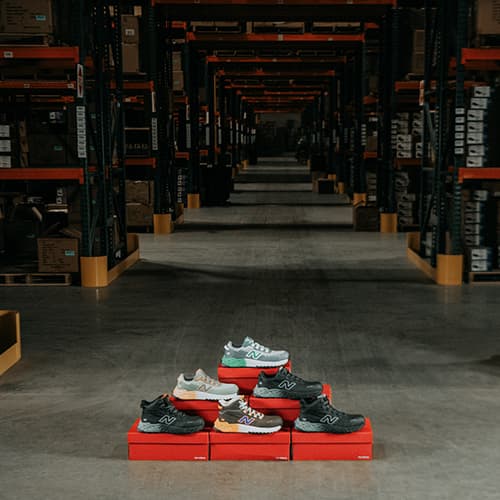
Global Industrial carries safety footwear in steel, composite, and alloy toes across boots, oxfords, and athletic styles. The selection now includes New Balance safety shoes. Compare the protective ratings, fit, and features of each model to match footwear to the hazards and daily demands of each role. Accessories, including cushioned insoles and heel grounders, are also available to support different workplace needs.
Frequently Asked Questions
Are composite toes as protective as steel toes?
Yes, at the same certification. Steel, composite, and alloy toe caps must all pass the same ASTM F2413 impact and compression tests. The differences are weight, transmission of heat and cold, and metal detection, not strength.
Do composite toes protect against electric shock?
Not on their own. Electric shock protection comes from an electrical hazard (EH) rating, which depends on the insulating properties of the sole. A composite-toe shoe without an EH rating is not certified for shock protection, and a steel-toe shoe with an EH rating is.
Does OSHA require a specific brand or type of safety shoe?
No. OSHA's foot protection standard (29 CFR 1910.136) requires footwear appropriate to the hazards present and recognizes footwear that meets ASTM standards. The hazard assessment determines which ratings are needed. Any ASTM F2413-certified footwear with those ratings meets the requirement.
What safety shoes work best for cold storage or freezers?
Composite-toe footwear, because metal caps transmit cold. The toe material alone does not keep feet warm, so also specify insulation and lining suited to the temperature.
What is the difference between EH, static dissipative, and conductive footwear?
EH footwear insulates the wearer from the ground, reducing the risk of shock from accidental contact with a live circuit. Static dissipative footwear drains static charge from the body at a controlled rate to protect sensitive electronics. Conductive footwear drains static charge almost immediately and is used where static discharge could ignite explosives or volatile materials. Conductive footwear must not be worn near live electrical circuits.
Can employees who pass through metal detectors wear certified safety shoes?
Yes, if the footwear has a composite toe and is non-metallic throughout. Eyelets, shanks, or other hardware can trigger a detector even when the toe cap contains no metal.
How often should safety shoes be replaced?
There is no fixed interval. Replace footwear based on condition, such as a toe cap that has sustained a significant impact, a cracked or exposed cap, a compressed midsole, a worn-smooth outsole, or a damaged EH-rated sole.
References
- General requirements, 29 C.F.R. § 1910.132 (2026). https://www.osha.gov/laws-regs/regulations/standardnumber/1910/1910.132
- Occupational foot protection, 29 C.F.R. § 1910.136 (2026). https://www.osha.gov/laws-regs/regulations/standardnumber/1910/1910.136
- ASTM International. (2024). Standard specification for performance requirements for protective (safety) toe cap footwear (ASTM F2413-24). https://store.astm.org/f2413-24.html
- ASTM International. (2024). Standard test methods for foot protection (ASTM F2412-24). https://store.astm.org/f2412-24.html
- General requirements, 29 C.F.R. § 1910.132(h) (2026). https://www.osha.gov/laws-regs/regulations/standardnumber/1910/1910.132
- Occupational Safety and Health Administration. (2009, March 19). Payment for static dissipative safety-toe footwear for working with flammable liquids and products [Letter of interpretation]. U.S. Department of Labor. https://www.osha.gov/laws-regs/standardinterpretations/2009-03-19-0
- Occupational Safety and Health Administration. (2009, May 11). Clarification of specialty footwear and employer requirements to provide at no cost to its employees [Letter of interpretation]. U.S. Department of Labor. https://www.osha.gov/laws-regs/standardinterpretations/2009-05-11
- Krings, B. M., Miller, B. L., Chander, H., Waldman, H. S., Knight, A. C., McAllister, M. J., Fountain, B. J., & Smith, J. W. (2018). Impact of occupational footwear during simulated workloads on energy expenditure. Footwear Science, 10(3), 157–165. https://doi.org/10.1080/19424280.2018.1460623
- Jones, B. H., Toner, M. M., Daniels, W. L., & Knapik, J. J. (1984). The energy cost and heart-rate response of trained and untrained subjects walking and running in shoes and boots. Ergonomics, 27(8), 895–902. https://doi.org/10.1080/00140138408963563
- SATRA Technology Centre. (2024, October). Updates to US slip resistance standards. SATRA Bulletin. https://satra.com/bulletin/article.php?id=3377
The information contained in this article is for informational, educational, and promotional purposes only and is based on information available as of the initial date of publication. It is the reader’s responsibility to ensure compliance with all applicable laws, rules, codes and regulations. If there is any question or doubt in regard to any element contained in this article, please consult a licensed professional. Under no circumstances will Global Industrial be liable for any loss or damage caused by your reliance on this article.