How to Choose the Right Drum Crusher or Compactor
Managing industrial waste efficiently can help facilities reduce disposal frequency, improve housekeeping, and maximize available storage space. Drum crushers and drum compactors support waste reduction in different ways. Drum compactors compress waste materials inside drums, while drum crushers flatten empty metal drums for easier handling, storage, and recycling. Choosing the right equipment depends on the type of waste being managed and your facility's operational requirements.
What Is a Drum Crusher or Compactor?
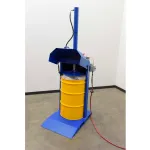
A drum compactor is equipment designed to compress waste materials inside a drum, typically a 55-gallon drum, to reduce the amount of space waste occupies. By applying downward force through a compaction plate or ram, these systems consolidate materials such as cardboard, packaging waste, paper, plastic, and other compressible materials.
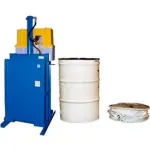
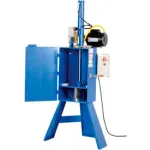
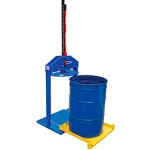
A drum crusher is designed to flatten empty steel drums after their contents have been removed. Crushing empty drums reduces their size for easier storage, transportation, and recycling while helping facilities reclaim valuable floor space.
Reducing waste volume or drum size allows facilities to maximize storage efficiency, improve housekeeping, and potentially reduce waste handling and disposal costs.
How Does a Drum Crusher or Compactor Work?
Drum Compactors
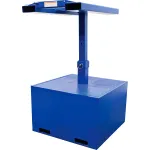
Drum trash compactors place waste material inside a compatible drum or container and use a compression mechanism to reduce the material volume.
The compaction process typically involves:
- Loading compressible waste materials into the drum.
- Positioning the compactor over or onto the drum.
- Activating the manual lever or powered compression system.
- Compressing the waste to maximize available drum capacity.
- Removing and replacing the filled drum when needed.
Pneumatic models use compressed air to operate the compaction mechanism, while manual models rely on operator-powered mechanisms for smaller volume applications.
Drum Crushers
Drum crushers are used after a drum has been emptied and prepared according to the manufacturer's instructions. The crushing process typically involves:
- Positioning the empty drum inside the crusher.
- Activating the crushing mechanism.
- Compressing the empty drum into a flattened profile.
- Removing the crushed drum for storage, transportation, or recycling.
Drum Crushers vs. Drum Compactors
Drum Crushers
Drum crushers are designed for facilities that need to reduce the size of empty steel drums before disposal or recycling.
They are commonly used in:
- Manufacturing facilities
- Chemical processing facilities
- Industrial plants
- Recycling operations
Benefits include:
- Reduce empty drum storage space
- Simplify transportation and recycling
- Improve housekeeping
- Maximize available storage space
Manual Drum Compactors
Manual drum compactors are designed for facilities with lower waste volumes or locations without access to compressed air systems.
They are commonly used for:
- Small maintenance departments
- Workshops
- Light manufacturing environments
- Facilities with limited waste processing needs
Benefits include:
- No electrical or pneumatic power required
- Lower upfront investment
- Simple operation and maintenance
- Portability for changing work areas
Pneumatic Drum Compactors
Pneumatic drum compactors use compressed air to generate consistent compaction force and are suited for higher-volume waste reduction applications.
They are commonly used in:
- Manufacturing plants
- Warehouses
- Distribution centers
- Industrial maintenance operations
Benefits include:
- Faster waste processing
- Reduced operator effort
- Consistent compaction performance
- Improved efficiency for frequent use
Key Factors When Selecting a Drum Crusher or Compactor
Type of Application
One of the most important considerations is whether your facility needs to reduce the volume of waste inside a drum or reduce the size of the drum itself.
- Choose a drum compactor to compress waste materials inside drums.
- Choose a drum crusher to flatten empty steel drums before storage or recycling.
Waste Volume and Frequency of Use
The amount of waste generated daily is one of the most important considerations. Facilities processing a few drums per week may only require a manual system, while high-volume operations may benefit from pneumatic-powered equipment.
Type of Waste Material
Drum compactors are designed for compressible materials such as:
- Cardboard
- Paper
- Packaging materials
- Plastic waste
- General industrial waste
Always confirm that the waste material is compatible with the selected equipment before use.
Drum Size Compatibility
Many industrial drum compactors are designed for standard 55-gallon drums. Verify drum dimensions and equipment specifications to ensure proper fit and safe operation.
Available Power Sources
Facilities should consider available utilities when selecting equipment.
- Manual compactors operate without external power.
- Pneumatic compactors require access to compressed air.
Workplace Safety Requirements
Proper operator training and safe operating procedures are important when using crushing or compaction equipment. Facilities should follow manufacturer instructions and applicable workplace safety requirements.
Benefits of Using Drum Crushers and Compactors
Drum crushers and compactors can help facilities:
- Reduce waste volume
- Reduce the size of empty steel drums
- Improve waste storage efficiency
- Reduce the frequency of drum replacement
- Support cleaner and more organized work areas
- Improve waste handling processes
- Maximize available disposal container capacity
- Support recycling operations
Industries That Use Drum Crushers and Compactors
Drum crushers and compactors are commonly used in:
- Manufacturing facilities
- Automotive service centers
- Warehouses
- Distribution centers
- Industrial plants
- Maintenance departments
- Recycling operations
- Chemical processing facilities
- Commercial facilities
Frequently Asked Questions
Have a Question? Our experts might already have the answers.