Key Takeaways
- Road work environments are inherently high-risk due to active traffic.
- Proper planning and traffic control are essential for jobsite safety.
- High-visibility equipment plays a key role in protecting crews.
- Consistent safety practices are necessary on every jobsite.
If you had to guess how extensive America’s road network is today, you might still come up short. The U.S. is home to more than 4 million miles of public roads, supporting trillions of miles of travel each year [1]. With nearly nine out of ten trips taken by personal vehicle, it’s clear how essential safe, reliable roadways are to daily life [2].
Behind every mile is a workforce keeping that system running and facing many safety risks. Roadway incidents remain the leading cause of work-related deaths in the U.S., with over 1,100 fatalities reported in 2024 [3]. Work zones add another layer of danger, with 850 deaths in 2024 alone, often driven by speeding and distracted driving [4].
The takeaway is simple: for road construction and maintenance teams, safety isn’t optional - it’s critical to protecting workers on every jobsite. So, what can be done to reduce these risks and keep crews safe on the job? It starts with strong road safety practices.
ROAD SAFETY PRODUCTS




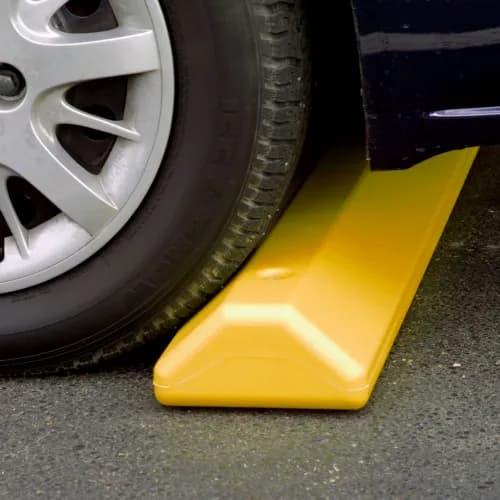
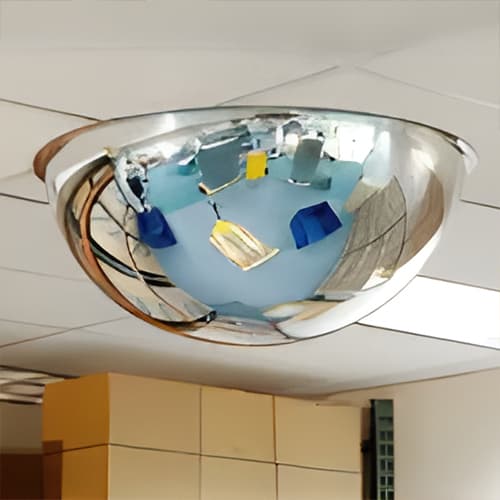
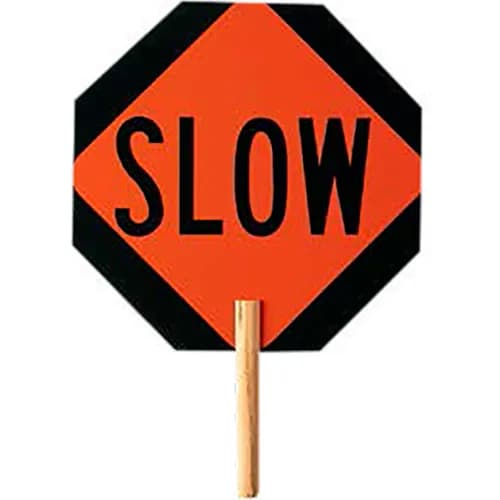

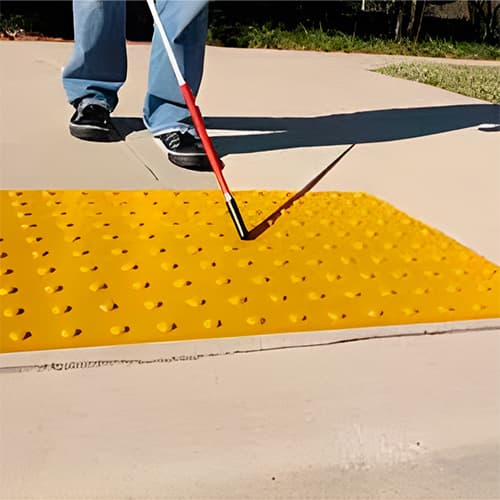
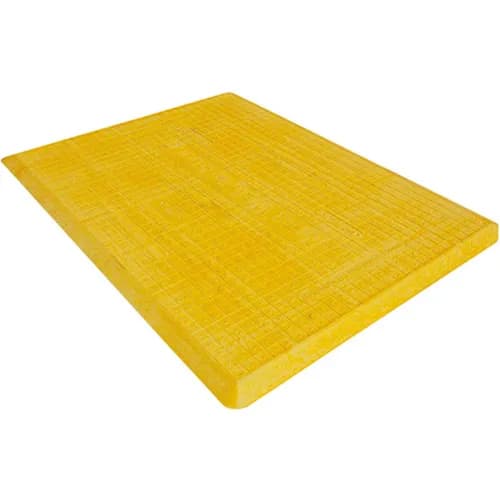
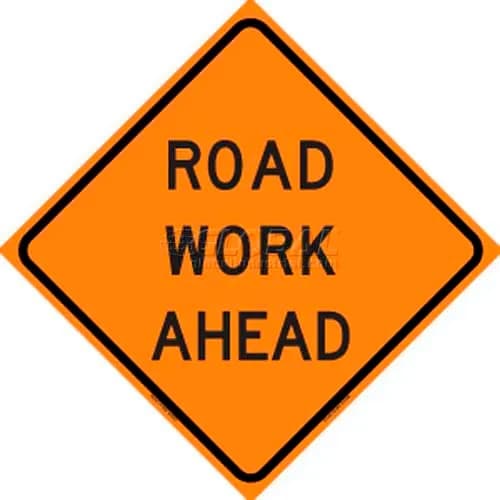
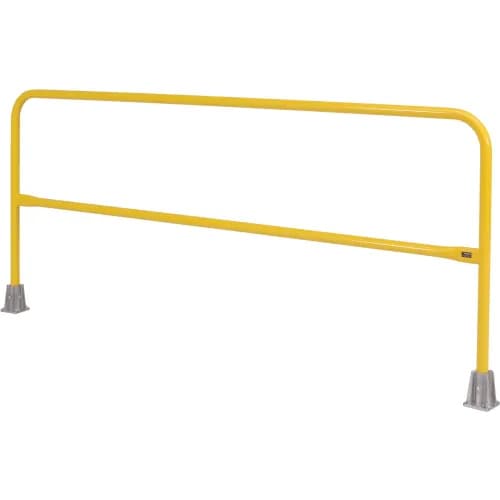
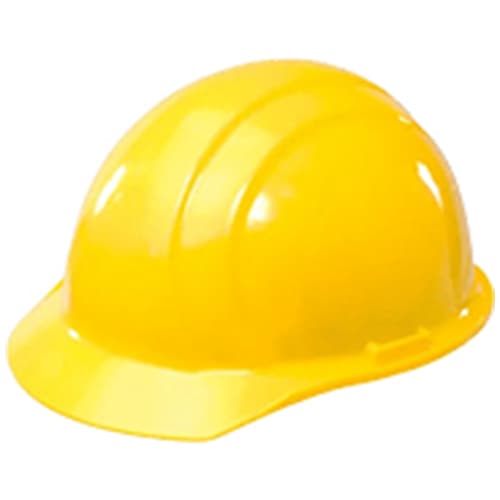
Now Let’s Look at Ways To Keep Your Road Crews Safe.
We know keeping your team safe on the job is a constant concern. After all, you’ve just read about a few ways road crews face risks every day. But the good news is you don’t have to navigate those challenges alone. From following tried-and-true work zone safety practices to exploring new products designed to protect your workers, there are plenty of ways to help keep your crew out of harm's way. Let’s cover these crucial seven stages of setting up a safe environment for your team(s):
1: Establish a Safe Work Area Perimeter: Before, During, and After
A comprehensive safety plan is crucial for any work zone, focusing on both internal and external elements. Internally, ensure strict coordination of equipment and worker movements to avoid accidents. Externally, implement traffic management strategies like barriers, speed control, and clear signage to protect workers from nearby vehicles, ensuring smooth and safe operations throughout the zone. The whole process can be broken down into four key parts:
a) The Advance Warning Area
If you’ve ever been driving around road work, you know all about advance warning areas. They alert approaching motorists that they’re about to enter a work zone, and this will usually involve changing lanes, lowering speed, and perhaps even taking a detour.
A successful advance warning area begins long before the work zone (usually ½ to 1 mile before), and will include clear, visible signage and (sometimes operated by flag persons to control flow) indicating:
- The kind of work that’s ahead.
- Reduced speed limits.
- Lane closures or shifts.
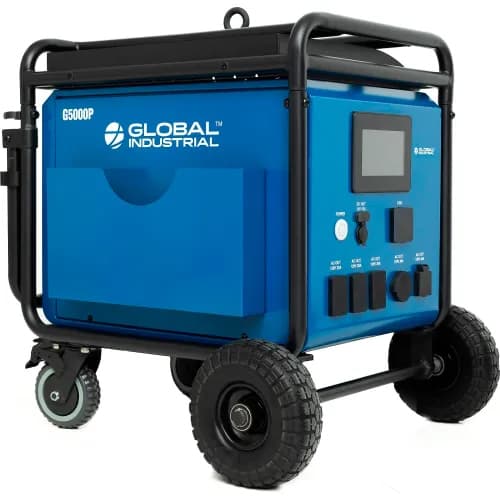
You may also need to use portable variable message signs for complex or changing situations, and these may also require a portable power station.
b) The Transition Area
As the name suggests, here, normal road conditions will change to work zone conditions, and this is where accidents can happen. Your transition area should include:
- Gradually reduced speed limits through a series of signs.
- Clear, unambiguous signage to direct traffic.
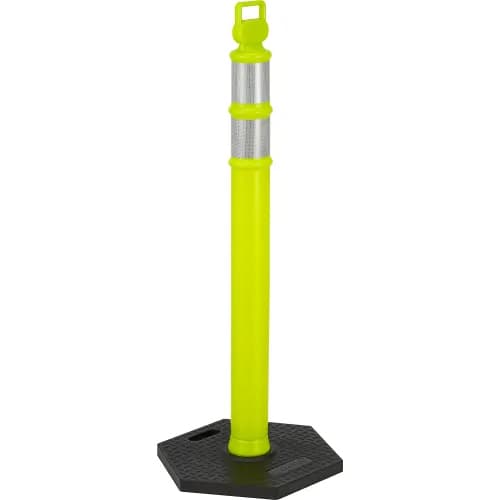
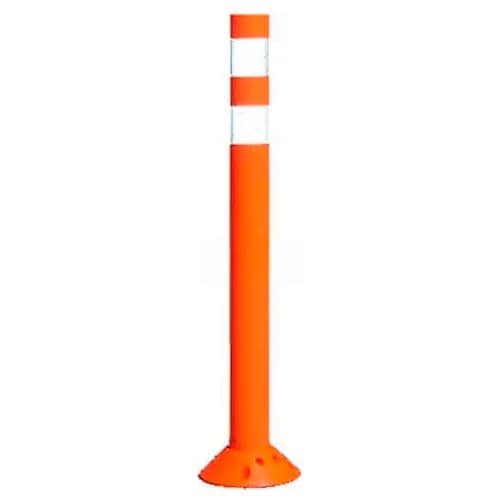
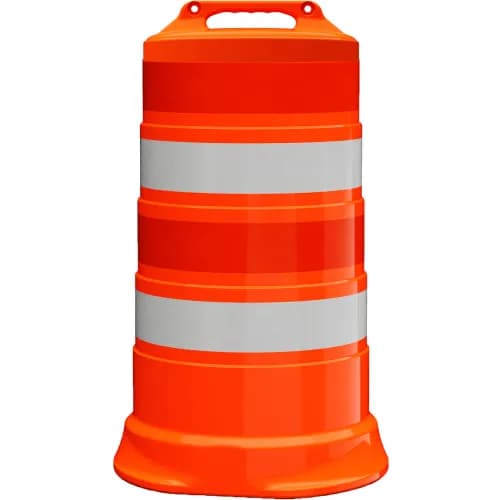
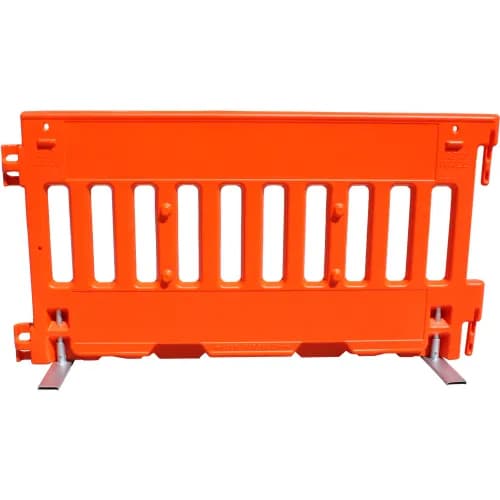
- Barricades, posts, barrels, and perhaps even speed bumps, to safely guide vehicles into the correct lane.
- Highly visible PPE for all crew members in and around the zone.
c) The Activity Area
The hive of activity, this is the danger zone. The work is taking place on the road, workers are trying to perform tasks without being distracted, and drivers will be rubber-necking. To avoid dangerous, and even fatal, incidents, you should have:
- A VERY clear delineation of the workspace using barriers, cones, or drums.
- Buffer spaces between the work zone and moving traffic.
- Designated paths for construction vehicles and heavy equipment.
- Clearly marked (and buffered if necessary) walking paths for workers.
- Again, highly visible PPE and traffic safety equipment for your employees.
d) The Termination Area
The end of the road…works. In this final area, motorists are allowed to resume regular operations obeying the rules of the road. In this area, provide:
- Clear signage indicating the end of the work zone
- Signs that gradually increase speed limits back to normal.
- A safe space to protect workers as they remove traffic control devices (cones, posts etc).
2. Assign Safety Managers
You cannot have eyes everywhere, and certainly can’t be overseeing every work zone personally. Here, you need to designate trusted employees (also known as Safety Managers) for your projects. They should be trained in the latest safety procedures, and can be responsible for the following:
- Reviewing/updating safety protocols regularly.
- Performing safety briefings before shifts.
- Staying on top of the latest compliance mandates.
- Identifying and addressing potential traffic and work safety hazards.
- Coordinating with local police/authorities and traffic teams.
3. Let There Be Light…In The Work Zone
It shouldn’t need to be said, but when you’re working with heavy equipment and dangerous substances, with traffic whizzing by at 70 mph, proper lighting for construction site safety is crucial. And that goes double at night when visibility is poor, and accidents happen more often. Here’s what you can do:
- Supply portable light towers to bring powerful light to the entire work zone (check for spots that aren’t being reached by the light, and adjust accordingly)
- To reduce power consumption, consider energy-efficient LED light options. They can be extremely bright, and last way longer than incandescent bulbs.
- Some lighting options require a very large power source. And with that size comes a lot of noise, which can disturb both your crews and drivers/pedestrians. Consider high-efficiency LED lighting solutions, coupled with a portable power station that has a quieter operation, for these situations. This can be a huge consideration for film crews working in the area, too.
4. Stock Up on Worker Visibility and Traffic Safety Supplies
Even with the best lighting and safety procedures, it can be difficult to see people on the roadsides. Remember, a lot of people aren’t paying as much attention as they should, so making your crew really stand out will help a lot.
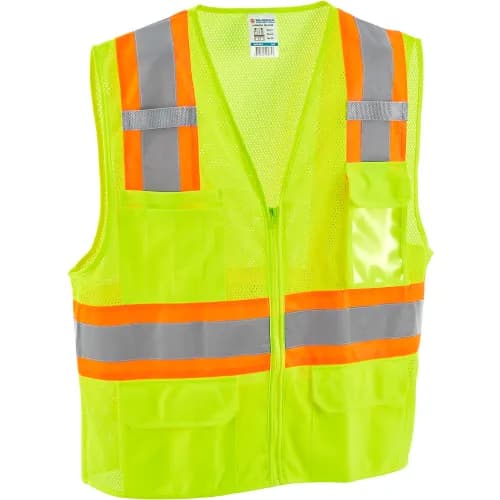
- Have a plentiful supply of high-visibility safety vests that meet/exceed ANSI/ISEA standards.
- Use reflective strips on everything you can think of, from hard hats, gloves, and boots, to other Personal Protective Equipment (PPE).
- Consider the latest LED-equipped vests for even greater visibility in low-light conditions.
5. Prepare for ALL Weather Conditions
It’s not always going to be 72 degrees and sunny when the roadwork is being carried out. You need to make sure you’re covered for both cold and hot weather challenges.
In Cold Weather (including rain, sleet, and snow)…
- Provide including insulated jackets and pants.
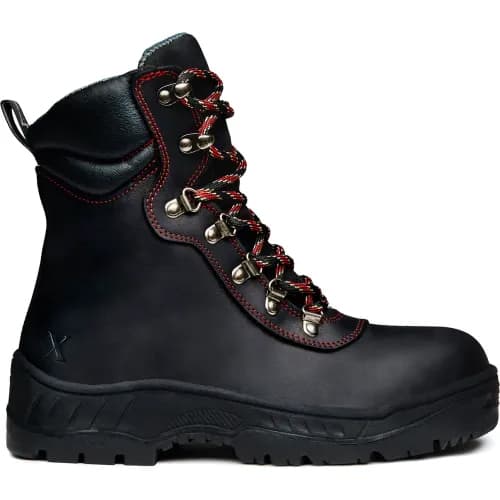
- Issue (or reimburse) waterproof and insulated footwear.
- Supply warm headgear and gloves.
- Set up warming areas for workers to take regular breaks.
- A hot tea/coffee station can really help if it’s safely monitored.
- Have hand-warming packs at the ready.
In Hot Weather…
- Drinking water and/or water fountains are crucial for regular hydration.
- Provide adequate shady structures and cooling/misting stations
- Allow more frequent breaks during extreme heat (heat exhaustion is dangerous)
- Train all workers to recognize signs of heat-related illnesses, and act upon them.
6. Stay Well-Stocked with Personal Protective Equipment (PPE)
Regardless of weather conditions, the following list of PPE is advisable to have in stock at all times. Remember to cater for varying sizes, road workers span many heights, weights, builds, and jacket, hat & shoe sizes.
- Hard hats
- Safety glasses or goggles
- Ear protection (earplugs or earmuffs)
- Steel-toed boots
- Gloves appropriate for the task
- Respiratory/breathing protection when necessary
7. Conduct Thorough Road Safety Training Often
If you’re not doing so already, you should conduct regular training sessions for all your workers. This includes the correct use of equipment and tools, traffic control procedures, and understanding how to direct and manage traffic safely to prevent accidents.
If the worst happens, you should also train for emergency responses. This means having people on site who are first aid trained (including CPR), along with a full supply of first aid equipment. You should also provide hazard identification to help prevent accidents.
Remember, ensuring the safety of your crews is a difficult job, and one that requires a serious commitment to best road safety practices. Whether you’re looking for additional advice on equipment, or training, or just want to have a little guidance on the best products to buy, the team of experts at Global Industrial is always here to answer any questions you have or guide you in the right direction.
References:
- Federal Highway Administration. (2026). Highway statistics 2024. U.S. Department of Transportation. https://www.fhwa.dot.gov/policyinformation/statistics/2024/.
- National Safety Council. (2026). Roadway incidents: Injury facts. https://injuryfacts.nsc.org/work/safety-topics/roadway-incidents/.
- American Traffic Safety Services Association. (2026, April 21). New statistics show decline in work zone fatalities. https://www.atssa.com/news/new-statistics-show-decline-in-work-zone-fatalities/.
- Statista. (2024, September 20). U.S. residents rely on individual motorization for trips (National Household Travel Survey data). https://www.statista.com/chart/33106/estimated-share-of-selected-transportation-modes-in-all-us-person-trips/.
We could also include a few FAQs?
What is the biggest safety risk for road construction workers?
The biggest risk is exposure to live traffic, especially from speeding or distracted drivers passing through work zones.
How do road crews stay visible to drivers?
They use high-visibility clothing, reflective gear, proper lighting, and clearly marked signage to ensure they can be seen day and night.
When are road construction zones most dangerous?
Work zones are often most dangerous at night or during low-visibility conditions, as well as during high-traffic periods.
What types of road safety equipment are available from Global Industrial?
Global Industrial offers a wide range of road safety equipment to help protect crews and manage traffic in active work zones. Explore those here. These categories work together with personal protective equipment and gear to improve visibility, guide drivers safely, and create a more secure environment for road crews.
The information contained in this article is for informational, educational, and promotional purposes only and is based on information available as of the initial date of publication. It is the reader’s responsibility to ensure compliance with all applicable laws, rules, codes and regulations. If there is any question or doubt in regard to any element contained in this article, please consult a licensed professional. Under no circumstances will Global Industrial® be liable for any loss or damage caused by your reliance on this article.