Key Takeaways
- A well-designed warehouse loading dock improves warehouse safety, workflow, and boosts long-term operational efficiency.
- Exterior planning—vehicle approach, alignment, weatherproofing, and impact protection—lays the foundation for success.
- Interior design decisions (levelers, traffic flow, fall protection, loading dock shelters, and lighting) directly impact productivity.
- Safety features such as restraints, barriers, and fall protection should be integrated from the start.
- Regular maintenance minimizes downtime and extends the life of critical equipment.
- The most effective dock designs connect exterior and interior operations into one seamless logistics system.
A loading dock may not be the most glamorous part of your warehouse, but it’s the hub where everything moves in and out. A poorly designed dock creates bottlenecks, safety hazards, and costly delays. A well-planned dock? It keeps product flowing, workers safe, and operations running like clockwork.
Key Benefits of Smart Loading Dock Design
How thoughtful planning improves safety and performance
A well-designed loading dock isn’t just a convenience—it’s a critical factor in keeping your operations safe, efficient, and cost-effective. Smart planning:
- Protects workers during loading and unloading
- Prevents trailer creep and dock-edge hazards
- Eliminates costly bottlenecks and shipping delays
- Protects the building from trailer impacts and inclement weather
- Improves traffic flow for both people and equipment
- Reduces physical strain on workers, lowering injury risk and downtime
- Maintains temperature control and prevents contamination
- Avoids expensive redesigns and operational disruptions later
Key Considerations for an Effective Loading Dock Design
What to Plan, Measure, and Get Right from Day One
Loading docks operate as a continuous flow system—from the moment a truck approaches outside to the second the product moves into interior storage. A strong design optimizes both environments.
Exterior Dock Design Essentials
Designing the outside of your dock properly ensures smooth vehicle navigation, safer docking, and reduced damage to infrastructure.
1. Vehicle Approach & Positioning
A driver’s experience begins well before they reach the bay. Exterior planning should include:
- Adequate turning and backing clearance
- Clear wayfinding signage and pavement markings
- Unobstructed sightlines for drivers and spotters
2. Dock Height & Trailer Alignment
Because trailer heights vary by fleet and industry, flexibility is key. To ensure smooth, safe loading and unloading, include:
- Installing adjustable dock levelers to bridge the gaps between the dock and trailer.
- Using wheel risers for low trailers to achieve proper alignment.
- Adding yard ramps for ground-to-dock transfers when trucks can’t back up to the dock.
3. Weather & Environmental Protection
Weatherproofing is both an operational and safety necessity.
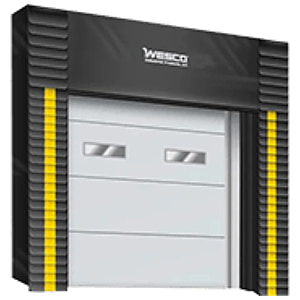
- Dock seals or shelters
- Metal or fabric canopies
- Threshold seals to reduce energy loss
4. Exterior Safety & Impact Protection
Your dock face takes constant abuse. Adding the right safeguards protects people, trailers, and the building itself.
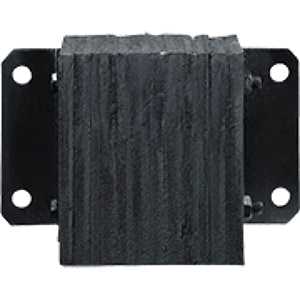
- Heavy-duty dock bumpers
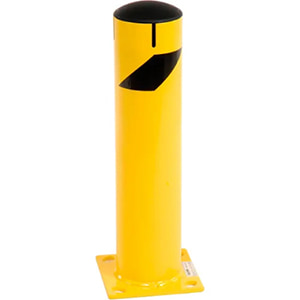
- Bollards and guard rails
- LED guide lights and traffic indicators
Interior Dock Design Essentials
Once goods pass the threshold, interior warehouse loading dock design dictates workflow efficiency and safety.
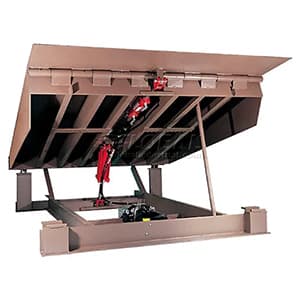
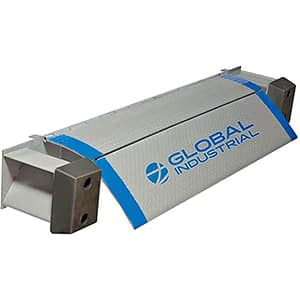
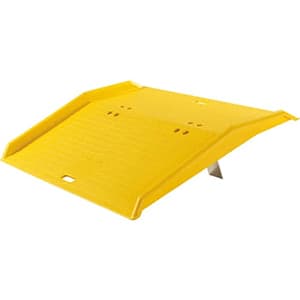
1. Dock Levelers, Plates & Boards
These create a stable bridge between the dock and the trailer, ensuring lift trucks and pallet jacks move smoothly. Options include:
- Hydraulic or mechanical levelers
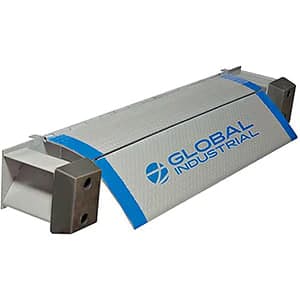
- Edge-of-dock models
- Portable plates and boards
Recommended Products
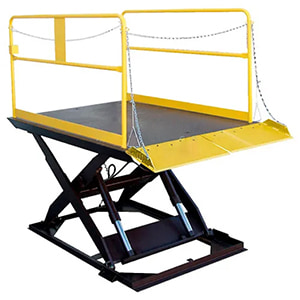
2. Dock Lifts
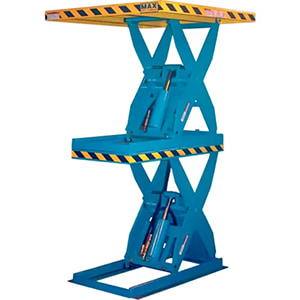
When dock and trailer heights don’t match, lifts ensure safe vertical travel.
- Loading dock scissor lifts
- Vertical dock lifts
Recommended Products
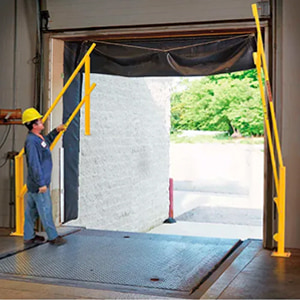
3. Fall Protection at Dock Edges
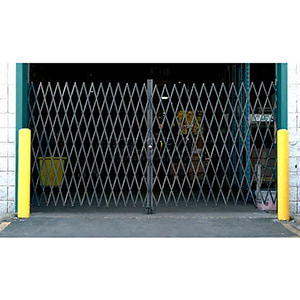
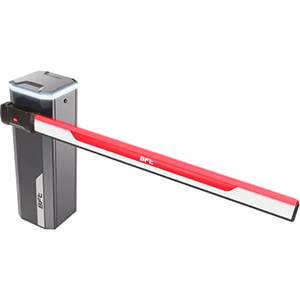
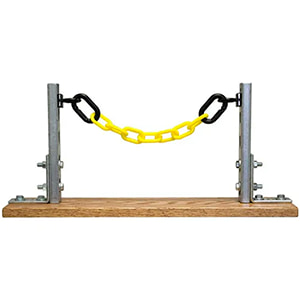
A dock’s open edge is a top OSHA hazard. Prevent falls with:
- Folding gates
- Barrier arms
- Chains or rails
Recommended Products
4. Interior Traffic Flow & Staging
A well-organized interior reduces damage, confusion, and downtime.
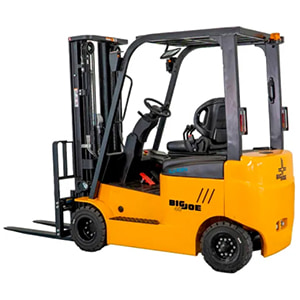
- Defined forklift routes
- Dedicated pallet staging and buffer zones
- Marked pedestrian aisles
- Prep and packaging areas separate from high-traffic areas
5. Lighting & Visibility
Loading zones must remain bright and shadow-free. Consider:
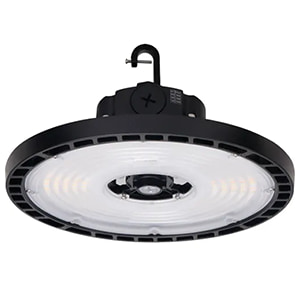
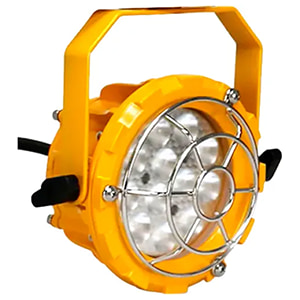
- High-bay LED fixtures
- Task lighting at each dock position
- Motion sensors for efficiency
Recommended Products

6. Ventilation & Temperature Control
Critical for food, beverage, pharma, and any temperature-sensitive inventory. Proper HVAC and airflow help maintain quality and regulatory compliance.
Loading Dock Safety Requirements & Best Practices
Essential Standards Every Facility Must Follow
Your level loading dock design should meet (and ideally exceed) OSHA and ANSI safety expectations:
A) Vehicle & Trailer Restraint
Prevent trailer creep, rollaway, and early departure.
- Wheel chocks
- Mechanical or hydraulic restraint systems
- Signaling lights for clear communication
B) Pedestrian Safety
- Marked walkways
- Physical guardrails and barriers
- Clear warning/directional signage
C) Fall Protection
- Dock gates or guardrails
- Safety chains
- Dock locks to prevent premature movement
D) Equipment Maintenance
- Routine inspections of seals, bumpers, levelers, and plates
- Preventive maintenance plans to reduce equipment failure
Interior vs. Exterior Workflow
Building a Seamless System
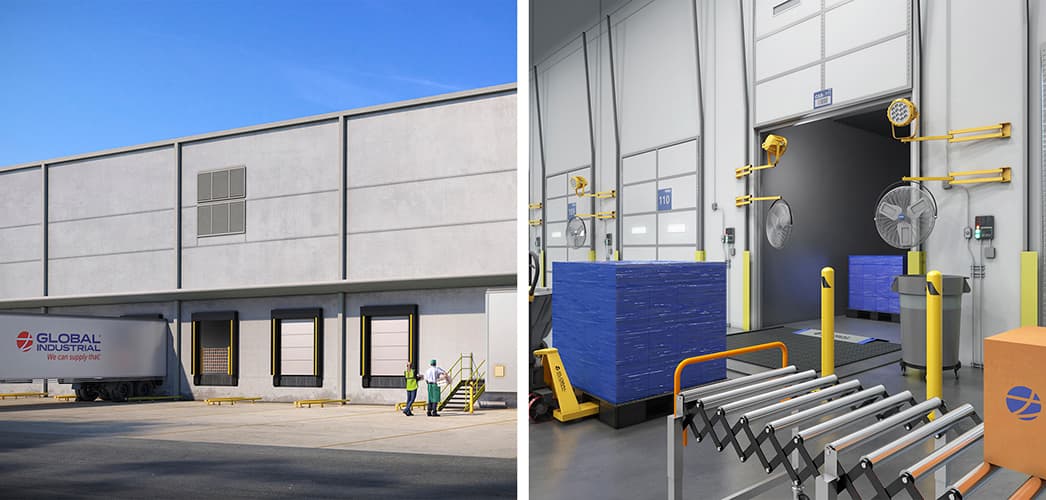
A loading dock is a complete ecosystem. Both sides must work in harmony to maximize throughput.
Exterior Workflow Includes:
- Vehicle alignment
- Bumpers
- Seals and shelters
- Visibility lighting
- Barriers and bollards
- Weatherproofing
Interior Workflow Includes:
- Levelers and lifts
- Forklift movement planning
- Staging and sorting areas
- Floor markings
- Dock gates
- Lighting
- Safe passage from dock to storage/processing areas
Products That Align with Loading Dock Design
Full Loading Dock Equipment Page
Individual solutions for loading dock design


Frequently Asked Questions (FAQs)?
1. What is the ideal dock height for most warehouse operations?
Most loading docks are designed between 48–52 inches, aligning with standard trailer bed heights. However, levelers or lifts help accommodate varying fleets.
2. How many dock doors does my warehouse need?
A common rule of thumb: forecast daily shipment volume, consider peak times, and plan capacity with a 10 - 20% buffer.
3. Do all loading docks require seals or shelters?
Not necessarily, but any facility concerned with energy efficiency, contamination control, or product integrity will benefit significantly from installing them.
4. What’s the difference between a dock leveler and a dock lift?
A leveler bridges small height gaps between a dock and a trailer. A lift moves loads up and down when height differences are substantial.
5. How can I improve safety at my loading dock?
Start with trailer restraints, dock bumpers, fall protection gates, high-visibility lighting, marked pedestrian walkways, and scheduled equipment inspections.
6. How much staging space should I plan behind each dock door?
A good baseline is at least two pallet depths of clear space. More may be required for high-volume operations.
7. Should forklifts and pedestrians share the same pathways?
No. Best practice is separate, clearly marked routes to prevent collisions and keep workers safe.
Need any help or guidance with your loading dock design? Contact one of our experts today for professional assistance.
The information contained in this article is for informational, educational, and promotional purposes only and is based on information available as of the initial date of publication. It is the reader’s responsibility to ensure compliance with all applicable laws, rules, codes, and regulations. If there is any question or doubt in regard to any element contained in this article, please consult a licensed professional. Under no circumstances will Global Industrial® be liable for any loss or damage caused by your reliance on this article.