Key Takeaways
- Inspect warehouse carts, pallet jacks, and trucks before every use.
- Balance loads evenly and keep heavy items low.
- Keep travel paths clear and controlled.
- Always push, never pull, and use proper lifting techniques.
- Wear PPE: gloves, work boots, and toe guards.
- Park safely with forks lowered and brakes engaged.
- Implement a maintenance schedule for all ergonomic material handling equipment.
- Choose quality tools matched to your workload.
- Track incident data to improve pallet jack safety over time.
We can think of few tools that work harder than warehouse carts, hand trucks, and pallet jacks. You could say they’re the backbone of handling and moving materials, equipment, and goods around your facility safely. But without due care and attention, these tools can actually lead to serious injuries, product damage, and downtime.
In 2022, under federal jurisdiction in Canada, the number of disabling work-related injuries was 18,131 over about 2.39 billion hours worked, giving a Disabling Injury Frequency Rate (DIFR) of 7.61 per million hours worked.
Whether you're moving goods from point A to point B or managing daily operations, following the right warehouse safety tips can make a big difference. They help protect your team, extend equipment lifespan, and keep your facility running efficiently. The payoff? Fewer injuries, lower repair costs, and a boost in productivity and morale.
This guide covers best practices for pallet jack safety, maintenance, and ergonomics, along with a few handy insights on how to train teams, plan routes, and select the right equipment for the job.
1. Pre-Planning: Review the Task
Inspect Equipment Before Every Use
Checking your warehouse utility carts, pallet jacks, and trucks before daily use is essential, even though it can feel like an arduous and sometimes time-wasting task. Trust us, it’s not. In fact, CCOHS recommends that all material handling tools be inspected before use to avoid unexpected failure during operation. It’s also smart to maintain an inspection log. Over time, you’ll identify recurring issues and catch maintenance trends before they lead to downtime.
Look for cracks, loose bolts, damaged wheels, or worn bearings. Check that brakes, handles, and frames are solid. This simple routine check can prevent costly and painful incidents. A recent study published by the National Library of Medicine found that pushing loads with worn casters required up to 40% more force, directly increasing fatigue risk.
2. Know the Load
Balance, Capacity, and Stability
Always distribute weight evenly, placing heavier items on the bottom and lighter ones on top to maintain a low center of gravity. Be sure to secure smaller items in containers or bins to prevent shifting during transport.
Keep in mind that while a standard manual pallet jack can handle up to 5,000 pounds, not every load is automatically safe. Uneven stacking or oversized materials can make the equipment unstable. So if the load often exceeds manual limits, it’s a good idea to upgrade to electric pallet trucks. With powered lift and movement, they reduce the strain on your crew and keep things running safely and smoothly.
Finally, never block your view with tall loads. A clear line of sight is one of those essential warehouse safety tips that helps prevent collisions and injuries.
3. The Path
Clear Routes and Safe Travel
CCOHS regulations require clear, unobstructed aisles, and with good reason. No matter how strong your equipment is, warehouse carts and pallet jacks move best on clean, clutter-free surfaces. Start by keeping aisles wide, dry, and free from debris. Repair uneven flooring and remove obstructions.
Plan your route carefully. Take note of tight corners, inclines, declines, and intersections where people tend to gather—you may even need to designate cart-only zones. Use mirrors or signals at blind spots, and maintain a controlled speed at all times. When sharing space with forklifts, always follow established right-of-way rules to avoid accidents.
4. Lift and Maneuver Safely
Push, Don’t Pull
CCOHS emphasizes one golden rule: push, don’t pull. Why? Because pushing allows operators to use their body weight for leverage and control, reducing strain on the shoulders and lower back. Pulling, on the other hand, often causes awkward twisting and limits visibility.
Standard practice is as follows: keep an upright posture, bend at the knees (NEVER the waist), and ensure the load is close to your body. By using these approved lifting techniques, you reduce the risk of injury and also improve endurance.
If you need to move loads over longer distances, select ergonomically designed, adjustable, and padded handles. "And if your team regularly handles heavy loads, investing in hydraulic lift carts, adjustable-height platforms, or powered pallet jacks can make a big difference in safety and productivity.
5. Use the Right PPE
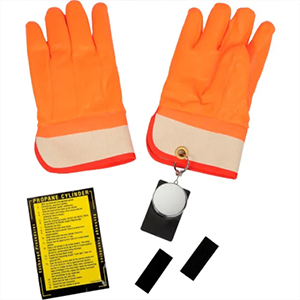
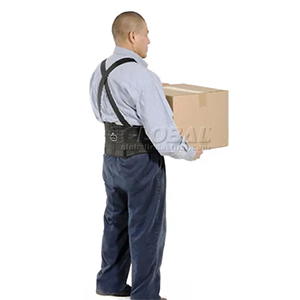
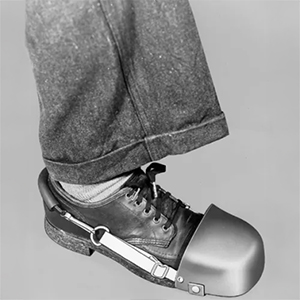
Workplace Safety Equipment Matters
Sadly, even the best planning can’t eliminate every risk. That’s why workplace safety equipment adds another layer of protection. When it comes to material handling, PPE essentials include:
- Work gloves: to improve grip and protect against pinch points.
- Work boots: opt for steel or composite toes to guard against dropped loads and pallet jack wheels.
- Back supports or lifting belts: for heavy or repetitive lifts.
- High-visibility vests and gloves: to ensure operators are easily seen in busy warehouse environments.
- Toe guards: designed for pallet truck safety, they shield operators’ feet from rolling loads.
If you want to cover all your bases, you may also want to get fall protection carts for overhead maintenance or high-loading tasks.
6. Parking and Maintenance
End the Job Safely
Park pallet jacks and hand trucks in designated zones, away from aisles and exits. Always lower the forks completely to the floor to prevent tripping hazards, and use the wheel locks when applicable. Post-use inspection is just as important as pre-use, so check for damage after every shift. We recommend checking for wheel wear, hydraulic leaks, or issues with handles.
If you can, create a preventative maintenance schedule that includes:
- Greasing wheel bearings.
- Checking hydraulic fluid (for pallet jacks and electric pallet trucks).
- Tightening hardware and handle mounts.
- Replacing damaged or flat casters.
Frequently Asked Questions (FAQs)?
Q: How often should ergonomic material handling equipment be inspected?
A: Before every shift. Quick visual checks for cracks, leaks, and wheel damage can prevent accidents and extend lifespan.
Q: How do you use a pallet jack correctly?
A: Start by centering the forks under the load, pump to lift just enough to clear the floor, push (never pull), and maintain a steady, controlled speed. Avoid inclines or uneven surfaces when possible.
Q: What’s the difference between a forklift and a pallet jack?
A: A forklift handles heavier, elevated loads with a powered lift, while a pallet jack moves lower loads across the floor. Understanding forklift vs pallet jack differences helps assign the right equipment to each job.
Q: How can I improve pallet jack safety training?
A: Combine visual guides, hands-on practice, and refresher sessions. Emphasize posture, route planning, and pre-use inspection.
Q: What are safe lifting techniques I can teach my team?
A: Bend at the knees, keep the load close, avoid twisting, and move smoothly. Reinforce safe lifting in the workplace with short, frequent training moments rather than one long session.
To sum up, safe and well-maintained warehouse carts, trucks, and pallet jacks might seem like a small part of your operation, but they’re essential for productivity and employee well-being. Prioritize pallet jack safety, invest in durable tools, and build habits that make every move a safe one. And if you need any help selecting the ideal warehouse cart, truck, or pallet jack, one of our experts will be happy to help you and your team.
The information contained in this article is for informational, educational, and promotional purposes only and is based on information available as of the initial date of publication. It is the reader’s responsibility to ensure compliance with all applicable laws, rules, codes, and regulations. If there is any question or doubt in regard to any element contained in this article, please consult a licensed professional. Under no circumstances will Global Industrial® be liable for any loss or damage caused by your reliance on this article.