Key Takeaways:
- Early school procurement aligned with school budget planning helps districts control costs, secure inventory earlier, and reduce last-minute purchasing before the academic year begins.
- Effective education procurement prioritizes safety compliance, durable products, and vendor partnerships that support long-term facility performance.
- Cooperative purchasing programs and strategic sourcing education initiatives help districts streamline purchasing while maintaining procurement transparency.
- Proactive school year planning and K-12 strategic planning allow districts to design flexible classrooms, storage systems, and outdoor campus environments that support modern learning needs.
The school year rarely begins quietly. Classrooms must be equipped, campuses prepared, and facilities operational from day one. Yet many districts still find themselves navigating late deliveries, rushed purchase orders, or fragmented supplier relationships in the weeks leading up to opening day.
Timing is one of the most controllable factors in school procurement. Decisions made months in advance influence pricing, inventory availability, and installation schedules. When procurement planning begins early, districts gain more flexibility to evaluate vendors, standardize product specifications, and align purchases with approved funding.
Research consistently shows that procurement planning significantly affects operational efficiency in public institutions. The U.S. Government Accountability Office has emphasized that proactive procurement planning improves cost management and reduces operational disruptions in public sector organizations.
For K-12 administrators preparing for the 2026–27 academic year, K-12 strategic planning increasingly includes procurement timelines as a core operational component rather than an afterthought.
Key Priorities When Selecting K-12 Procurement Partners?
Early purchasing matters, but vendor selection ultimately determines long-term outcomes. District leaders evaluating suppliers should prioritize partners that support safety, durability, procurement compliance, and flexible learning environments.
Safety and Compliance Come First
Safety requirements shape nearly every purchasing decision in school environments. Furniture, storage systems, playground equipment, and outdoor infrastructure must support daily student activity while meeting applicable safety expectations.
Organizations such as the U.S. Consumer Product Safety Commission highlight the importance of compliant school furnishings and equipment to reduce injury risks in educational environments. Within education procurement, this means evaluating suppliers that design products specifically for institutional use, including equipment that supports:
- Stable and secure installations
- Clear walkways and accessible spaces
- Durable materials suited for high-traffic environments
- Compliance with safety and accessibility standards
Suppliers familiar with school environments can help districts reduce risk while maintaining operational functionality throughout the school year.
Durability Protects School Budgets
School facilities place significant wear on furniture, storage, and campus infrastructure. Equipment used daily by students and staff must withstand years of use without frequent replacement.
Durable products help districts protect long-term budgets while maintaining consistent classroom functionality. When evaluating suppliers as part of school budget planning, procurement teams often review:
- Material construction and manufacturing quality
- Product testing and durability ratings
- Warranty coverage and service support
- Replacement component availability
Selecting equipment designed for institutional durability reduces lifecycle costs and helps districts maintain reliable learning environments.
Customization Supports District-Specific Needs
While standardization improves efficiency, schools rarely operate with identical facility layouts or program requirements. Districts must often balance standard product specifications with local campus needs.
Suppliers that support customization can help districts implement solutions such as:
- Modified storage configurations
- Customized classroom furniture layouts
- Outdoor learning space design
- Campus-specific safety installations
These capabilities are especially valuable within strategic sourcing education initiatives, where districts seek consistent procurement frameworks that still allow flexibility for individual schools.
Cooperative Purchasing Contracts Simplify Procurement
Public education procurement often requires lengthy bid processes and multiple levels of approval. Cooperative purchasing contracts allow districts to streamline purchasing while maintaining compliance with public procurement requirements.
Many school districts rely on established cooperative purchasing organizations such as:
These cooperative contracts allow districts to access pre-negotiated pricing and vetted suppliers without conducting independent bid processes.
According to the National Association of State Procurement Officials, cooperative purchasing programs help public institutions reduce administrative workload and improve purchasing efficiency.
For districts managing complex school procurement across multiple campuses, cooperative purchasing programs can significantly simplify vendor selection and purchasing workflows.
Flexible Spaces Support Modern Learning
Learning environments have evolved significantly over the past decade. Classrooms, libraries, cafeterias, and outdoor areas are increasingly used for multiple purposes throughout the day.
Forecasting should account for:
- Classroom furniture and storage needs
- Maintenance and custodial equipment
- Safety and compliance requirements
- Technology support infrastructure
- Outdoor learning and campus environments
By evaluating demand across facilities rather than campus by campus, districts can reduce redundancy and improve inventory control. These adaptable environments allow schools to respond to changing instructional needs without requiring major facility renovations.
Outdoor Campus Spaces Deserve Strategic Attention
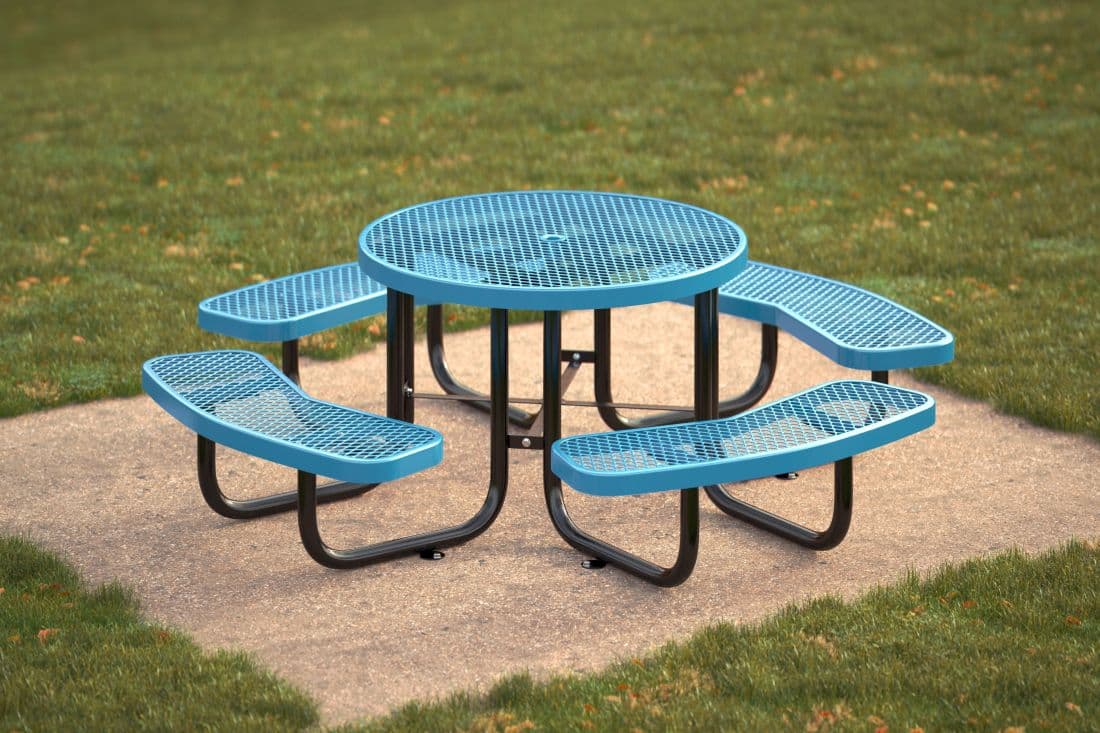
Outdoor areas increasingly serve as extensions of the learning environment. Shaded seating areas, outdoor classrooms, playground equipment, campus benches, bike racks, and safety bollards all contribute to how students experience the school environment.
Planning these investments early allows districts to secure durable outdoor equipment before seasonal demand increases. Integrating exterior infrastructure into K-12 strategic planning ensures that campus environments remain safe, functional, and welcoming for students and staff.
Outdoor improvements also support broader operational goals by improving campus flow, safety visibility, and facility organization.
A Procurement Timeline for the 2026–27 School Year
District leaders preparing for the upcoming academic year can use the following timeline to guide school year planning.
| Timeline | Focus Area | Recommended Action |
|---|---|---|
| 9–12 Months Before School Year | Budget Alignment | Finalize funding allocations and identify priority facility upgrades within school budget planning. |
| 6–9 Months Before School Year | Vendor Strategy | Evaluate supplier partnerships and cooperative purchasing contracts to support education procurement. |
| 3–6 Months Before School Year | Order Placement | Place orders for furniture, storage, safety equipment, and campus infrastructure. |
| 1–3 Months Before School Year | Installation & Verification | Complete installations and confirm operational readiness before students return. |
A structured procurement timeline helps districts reduce rushed purchasing while maintaining control over budgets and inventory availability.
Building Long-Term Procurement Efficiency
Preparation begins well before the first bell rings. Districts that integrate procurement into broader planning cycles are better positioned to deliver consistent, well-equipped learning environments from the first day of school.
Strong school procurement practices align vendor selection, demand forecasting, and facility readiness into a coordinated system. When districts combine early planning with thoughtful vendor partnerships, they improve operational efficiency while maintaining safe and functional learning environments.
With product availability across classrooms, facilities, maintenance, safety, and outdoor campus environments, Global Industrial supports districts seeking scalable solutions for modern educational facilities. Through cooperative purchasing programs, customized solutions, and multisite rollout support, schools can approach school year planning with greater clarity and operational confidence.
Explore Our Solutions Page to Find the Right Products for Your Educational Space
Frequently Asked Questions
What is school procurement and why is early planning important?
School procurement refers to the process districts use to source classroom furniture, facility supplies, maintenance equipment, technology infrastructure, and campus resources. Early planning improves cost control, aligns purchases with approved budgets, and reduces last-minute orders that can delay readiness before the academic year begins.
How does education procurement differ from general purchasing?
Education procurement requires alignment with public funding cycles, compliance requirements, bid processes, and multisite coordination across campuses. Unlike standard purchasing, it often involves long planning timelines, board approvals, and district-wide standardization to ensure consistency and cost efficiency.
How can districts improve school budget planning for the upcoming year?
Effective school budget planning connects projected enrollment, facility upgrades, and instructional needs with procurement timelines. Districts that forecast demand 6–12 months in advance can consolidate orders, secure better pricing, and avoid expedited shipping costs before the school year begins.
What is strategic sourcing in education?
Strategic sourcing education is a long-term procurement approach that consolidates suppliers, standardizes product categories, and builds partnerships that support multisite efficiency. This method strengthens negotiating power, improves spend visibility, and simplifies vendor management across multiple campuses.
When should districts begin school year planning for procurement?
Comprehensive school year planning should begin at least 9–12 months before the academic year. Early K-12 strategic planning allows districts to align purchasing with budget approvals, evaluate supplier performance, and ensure classrooms and outdoor campus spaces are fully equipped before students return.
How can districts manage procurement across multiple campuses efficiently?
Districts can improve efficiency by standardizing specifications, consolidating vendors, forecasting demand across facilities, and partnering with suppliers that support multisite rollouts and custom solutions. A coordinated school procurement strategy reduces duplication, improves cost visibility, and supports long-term operational stability.
The information contained in this article is for informational, educational, and promotional purposes only and is based on information available as of the initial date of publication. It is the reader’s responsibility to ensure compliance with all applicable laws, rules, codes and regulations. If there is any question or doubt in regard to any element contained in this article, please consult a licensed professional. Under no circumstances will Global Industrial® be liable for any loss or damage caused by your reliance on this article.