Key Takeaways
- Winter brings increased moisture, indoor crowding, and higher risk of illness and slips.
- Implement winter workplace safety tips such as entry-zone controls, high-touch cleaning, and HVAC maintenance.
- Use air pollution testers or the best indoor air quality monitor to manage indoor air pollution.
- Equip your facility with winter safety signs, mats, and proper PPE to reduce hazards.
- Proactive planning supports winter illness prevention and ensures operational continuity.
Winter doesn’t just mean colder temperatures—it brings snow, ice, tracked-in dirt, and higher rates of respiratory illnesses. Without proper indoor air quality protocols, winter illness prevention and slip prevention measures, operations can be disrupted and workforce productivity reduced.
This guide shares practical winter workplace safety tips, explains how to improve indoor air quality with an indoor air quality test, and highlights the best equipment for safer, cleaner facilities.
Why Winter Hygiene Is Crucial
Maintaining strong winter facility hygiene isn’t just about cleanliness—it’s critical for health, worker safety, and operational efficiency. Winter workplace safety directly impacts staff health, safety, and operational efficiency:
- Prevent Illness Spread: Winter increases the risk of flu, RSV, and colds. Following winter illness prevention protocols helps keep your workforce healthy and productive.
- Control Moisture and Dirt: Snow, ice, salt, and sand create slippery floors and leave corrosive residues, raising cleaning costs and safety risks.
- Protect Indoor Air Quality: Closed doors and heating systems can trap pollutants, leading to poor air quality. Regular HVAC checks and air quality monitors help detect and resolve issues early.
- Improves Safety and Morale: Clear winter workplace safety protocols, visible winter safety signs,, and proactive hygiene measures show employees that their well-being is a top priority.
Key Winter Hygiene Challenges for Facilities
1. Increased Illness Transmission
Cold weather drives people indoors, increasing contact with high-touch surfaces, which amplifies the risk of spreading seasonal illnesses.
2. Moisture, Snow, Salt & Dirt Tracking
Creates slippery floors and increases winter workplace safety hazards.
3. Indoor Air Quality & HVAC Strain
Heating systems recirculate air more frequently, ventilation decreases, and filters can clog quickly, increasing indoor air pollution. Conduct an indoor air quality test to monitor and address potential problems.
4. Supply & PPE Readiness
Winter increases the need for cleaning supplies, PPE, wet-floor signs, and de-icing tools.
5. Safety Hazards: Slips & Falls
Wet, icy, or salted floors are a major source of winter injuries. Proper winter safety signs and floor protection reduces risk.
Best Practices & Protocols for Winter Facility Hygiene
A. Entry-Zone Control
Goal: Stop dirt, moisture, and contaminants before they spread.
Best Practices:
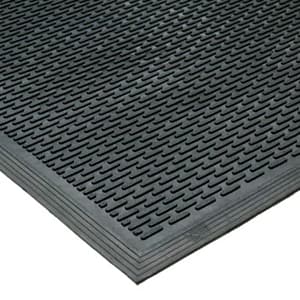
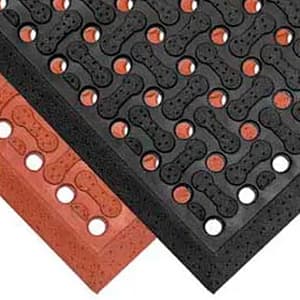
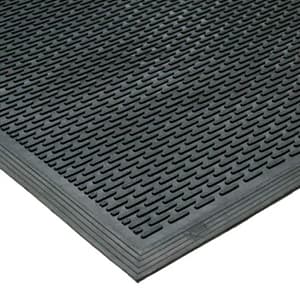
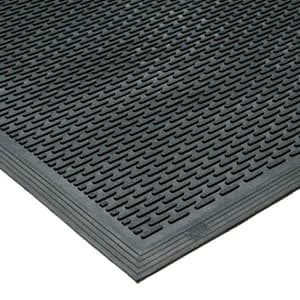
- Install scraper mats outside and absorbent mats inside entryways.
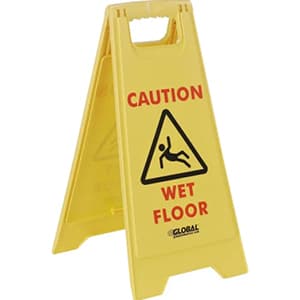
- Remove snow and ice promptly and mark wet areas with winter safety signs.
- Conduct frequent inspections during peak traffic.

B. High-Touch Surface Cleaning & Disinfection
Goal: Limit pathogen spread and support winter illness prevention.
Best Practices:
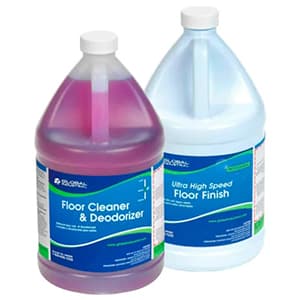
- Clean door handles, handrails, machinery controls, and breakroom equipment more often.
- Use disinfectants effective against flu and cold viruses.
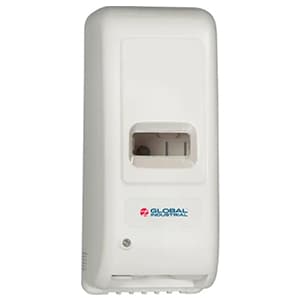
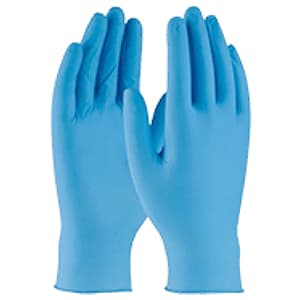
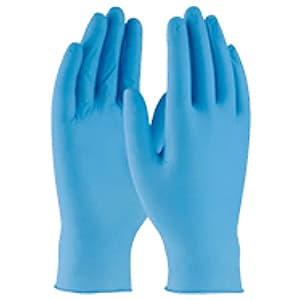
- Provide staff with PPE and hand-sanitizer stations.
C. Floor & Surface Maintenance
Goal: Prevent slips, protect flooring, and control moisture.
Best Practices:
- Increase mopping frequency in high-traffic zones, especially near entryways.
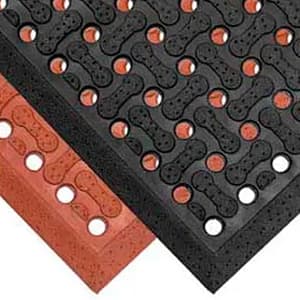
- Use drainage mats and entrance mats to improve traction.
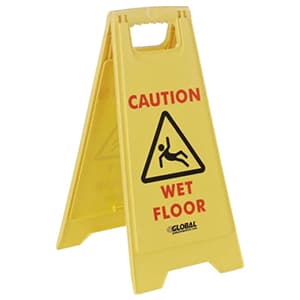
- Post winter safety signs to alert staff to wet floors.
D. HVAC & Air Filtration Check-Up
Goal: Maintain healthy indoor air quality and prevent indoor air pollution.
Best Practices:
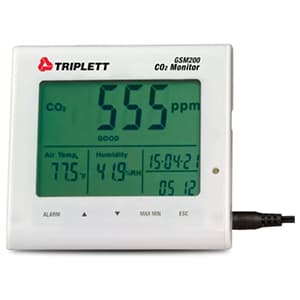
- Conduct an indoor air quality test at the start of winter and regularly thereafter.
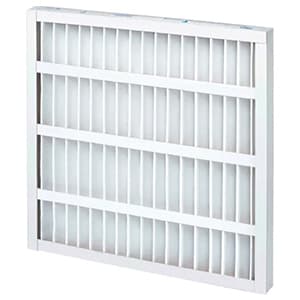
- Replace HVAC filters more often due to higher indoor dust and debris.
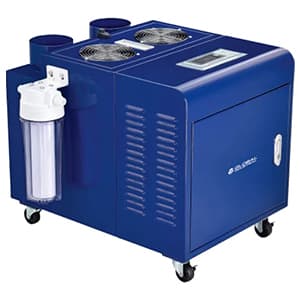
- Keep vents clear and check humidity levels and use humidifiers to reduce dry-air discomfort.
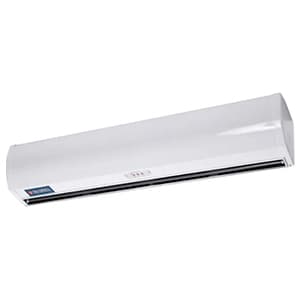
- Use air curtains to keep out pests and dust while controlling temperature.
- Consider HEPA filters or use the best indoor air quality monitor to track air quality trends.
E. Stock & Supply Planning
Goal: Be ready for increased winter facility hygiene demands.
Best Practices:
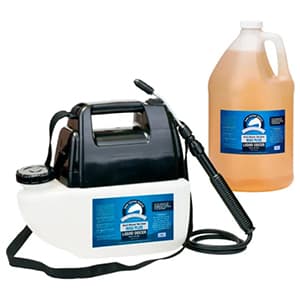
- Keep cleaning supplies, PPE, wet-floor signs, and absorbent mats in stock.
- Stock snow shovels, spreaders, and de-icing products.
- Review mid-season supply levels to avoid shortages.

F. Training & Awareness
Goal: Educate staff on winter workplace safety.
Best Practices:
- Train teams on winter workplace safety tips, such as:
- Slip prevention.
- Cold stress.
- Proper indoor air quality practices.
- Display winter safety signs, in high-risk areas to reinforce protocols.
G. Monitoring & Adaptation
Goal: Adjust hygiene protocols as conditions evolve.
Best Practices:
- Conduct pre-winter audits of flooring, ventilation, and supplies.
- Inspect mats, signage, and air filtration throughout the season.
- Update procedures based on observed risks or indoor air quality readings.
Frequently Asked Questions (FAQs)?
How can I improve indoor air quality during winter?
Use an air pollution tester or the best indoor air quality monitor to identify problem areas. Replace HVAC filters frequently and keep ventilation clear.
What winter workplace safety tips help reduce seasonal illness?
Increase cleaning of high-touch surfaces, provide hand sanitizer stations, enforce PPE use, and maintain winter safety signs, in high-traffic zones.
How do I prevent slips and falls in winter?
Use scraper and absorbent mats, post winter safety signs,, remove snow promptly, and maintain clear walkways.
How do I monitor indoor air pollution effectively?
Conduct regular indoor air quality tests using reliable monitors. Track humidity, particulate levels, and carbon dioxide to reduce health risks.
Winter hygiene requires vigilance, proper equipment, and consistent protocols. By combining winter workplace safety, winter facility hygiene, winter illness prevention, air pollution testers, and the best indoor air quality monitor, facilities can reduce slips, manage indoor air pollution, and maintain operational continuity. With the right Global Industrial solutions, your workplace stays safe, clean, and productive all winter long.
The information contained in this article is for informational, educational, and promotional purposes only and is based on information available as of the initial date of publication. It is the reader’s responsibility to ensure compliance with all applicable laws, rules, codes, and regulations. If there is any question or doubt in regard to any element contained in this article, please consult a licensed professional. Under no circumstances will Global Industrial® be liable for any loss or damage caused by your reliance on this article.