September is National Preparedness Month. It’s the perfect time for your organization to strengthen disaster preparedness plans and protect your people, property, and operations, especially during peak hurricane season. For facilities, disaster readiness means more than just boarding up windows—it’s about facility safety, worker safety, and maintaining critical systems to keep operations running.
This guide outlines how to:
- Conduct a comprehensive enterprise risk assessment.
- Prepare emergency equipment and emergency supplies.
- Protect your workforce and facility during power outages.
- Use tools like an outage tracker and cybersecurity risk analysis to safeguard both physical and digital assets.
- Recover quickly with minimal downtime.
Key Takeaways
- Start early: Emergency preparedness before a storm is the most effective way to limit damage and delays.
- Follow three phases: Prepare before, protect during, and recover after a hurricane.
- Prioritize safety: Focus on health and safety workplace standards to keep workers secure.
- Stock the right gear: From an evacuation kit to safety protection equipment, readiness is your best defense.
What Are Some Common Challenges Hurricanes Create?
Hurricanes Pose Multiple Threats To Facilities:
- Power outages — Can disrupt HVAC, lighting, refrigeration, and production equipment.
- Facility damage — Flooding, wind damage, and debris impact structures and equipment.
- External delays — Road closures and infrastructure damage slow shipments and deliveries.
- Worker safety risks — Both during evacuations and in post-storm cleanup conditions.
- Cyber risks — Storm-related outages can create vulnerabilities, making cybersecurity risk assessment part of your planning.
Hurricane Readiness in Three Stages
When preparing for a storm, it is helpful to break it down into three stages: before, during, and after.
Stage 1: Before a Storm (Your Main Focus)
Most storm-related losses can be avoided or reduced with proactive hurricane readiness measures.
Step-by-Step Readiness Checklist:
- Conduct an enterprise risk assessment
- Evaluate structural vulnerabilities, critical equipment risks, and inventory protection needs.
- Include a cybersecurity risk analysis to safeguard digital operations during outages.
- Update your emergency plan
- Define evacuation routes, safe zones, and shelter-in-place locations.
- Include a communications plan with backup methods and an outage tracker for real-time status updates.
- Store critical documents in waterproof containers and secure digital backups in the cloud.
- Train workers
- Hold regular drills so employees know where to go and what to do.
- Assign specific roles for storm prep and recovery.
- Stock emergency equipment and supplies
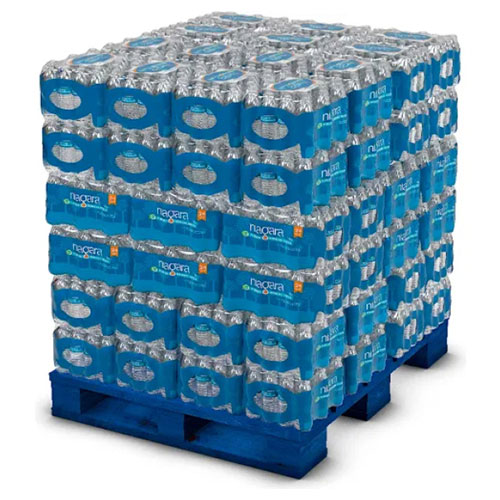
- Water: 1 gallon per person per day for 3–7 days.
- Food: Non-perishable, easy-to-store items.
- Medical: OSHA-compliant first aid kits.
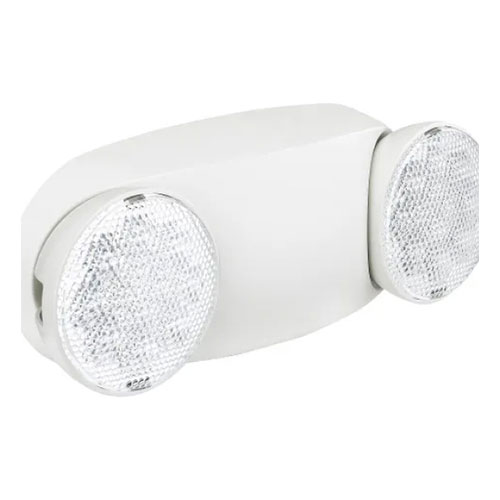
- Lighting: Flashlights, headlamps, extra batteries.
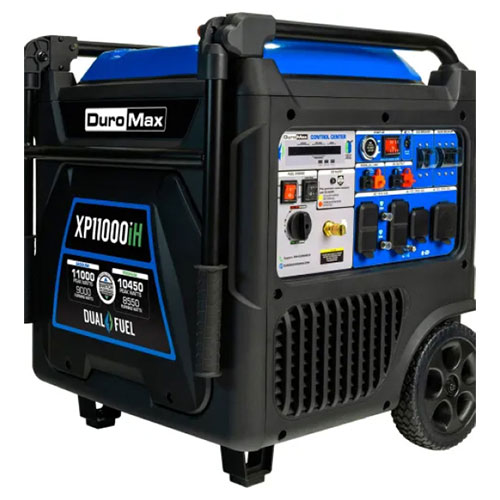
- Power: Portable generators, fuel, extension cords.
- Repair materials: Tarps, sandbags, duct tape, fasteners.
- Evacuation kit: Critical documents, emergency contact lists, medications, and PPE.
-
Recommended Products:
- Secure facility infrastructure
- Inspect and reinforce doors, windows, and roofing.
- Anchor or relocate outdoor equipment.
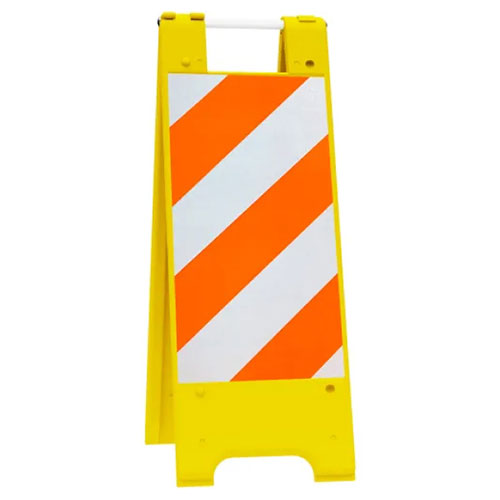
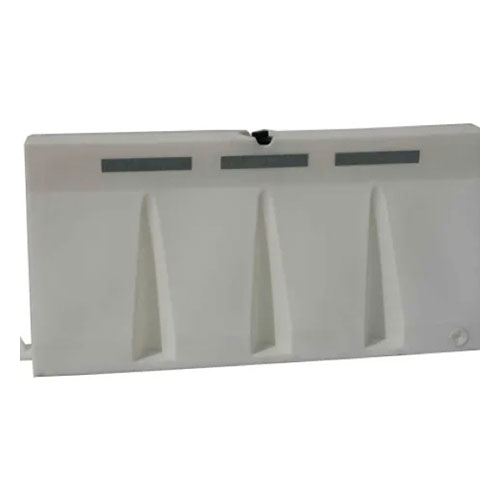
- Install barricades, signage, and safe-zone markers.
-
Recommended Products:
- Protect equipment and inventory
- Elevate machinery and stock away from flood-prone areas.
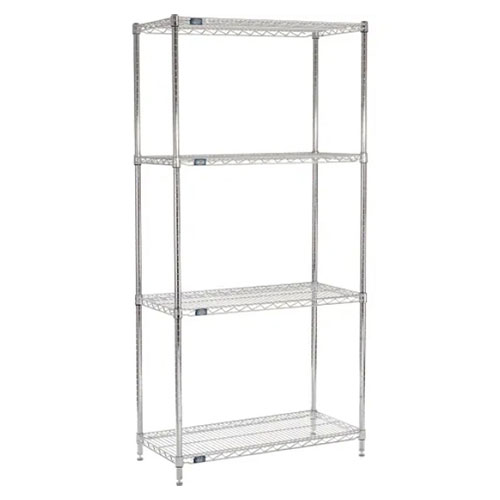
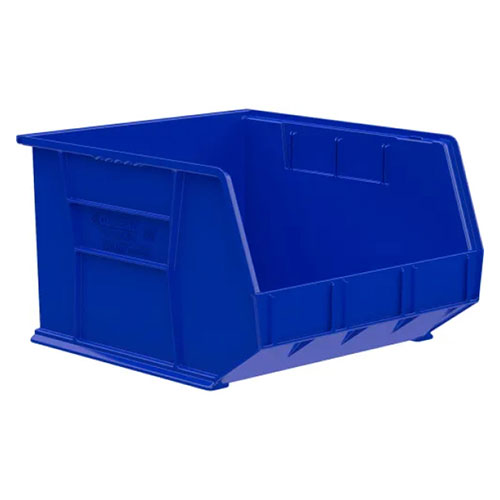
- Use water-resistant shelving and stackable bins.
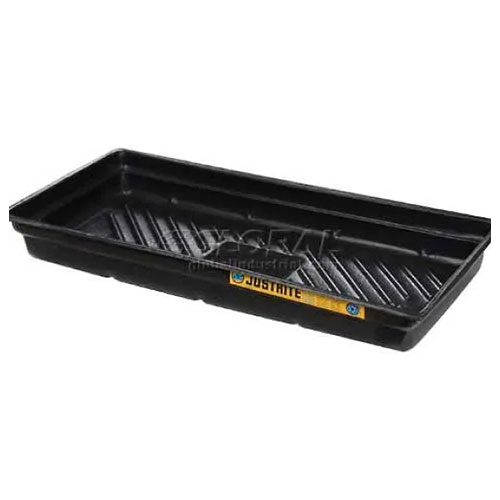
- Install spill containment trays under hazardous materials.
-
Recommended Products:
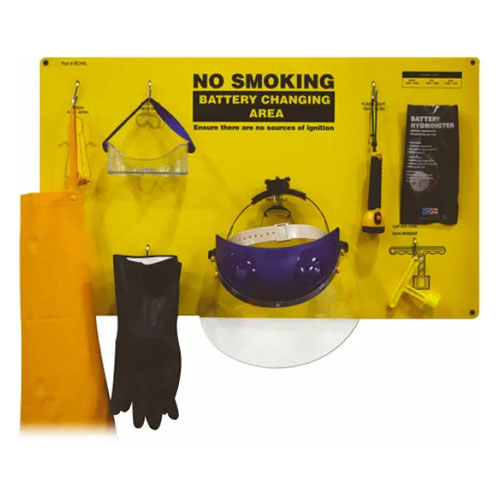
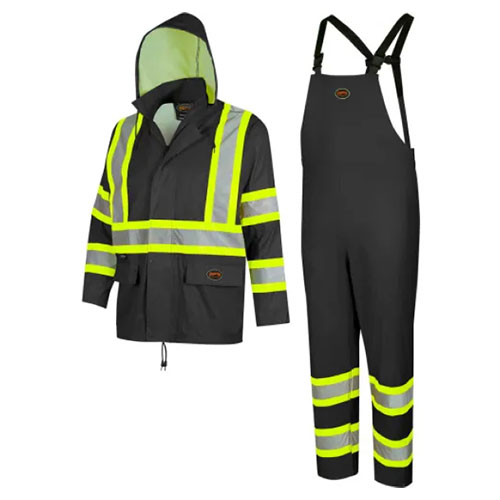
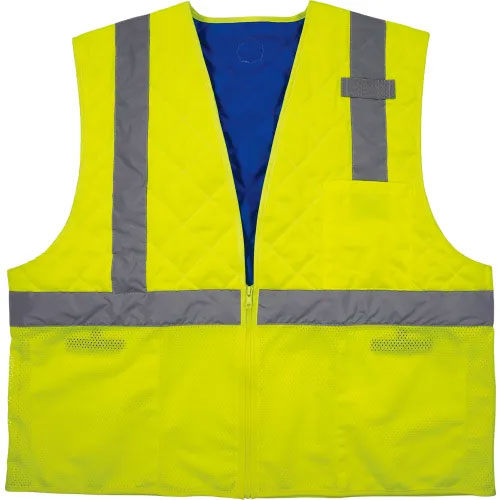
- Ensure worker safety and comfort
- Provide safety protection equipment like gloves, goggles, and respirators.
- Supply high-visibility rainwear for low-light, wet conditions.
- Maintain hydration and cooling gear for post-storm cleanup in hot, humid weather.
-
Recommended Products:
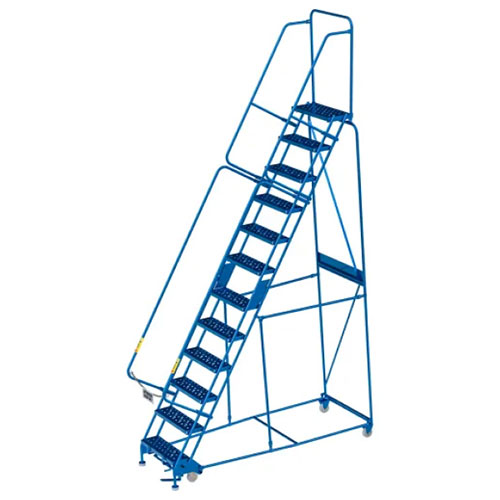
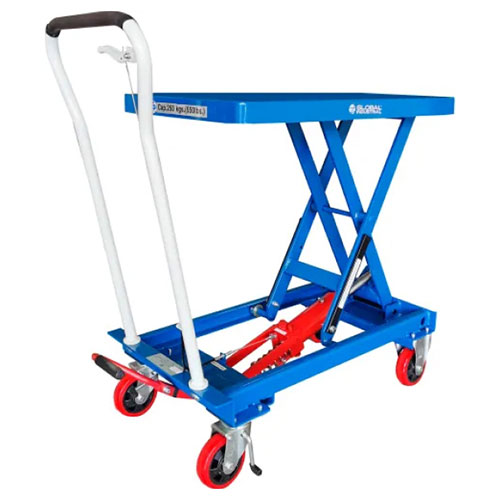
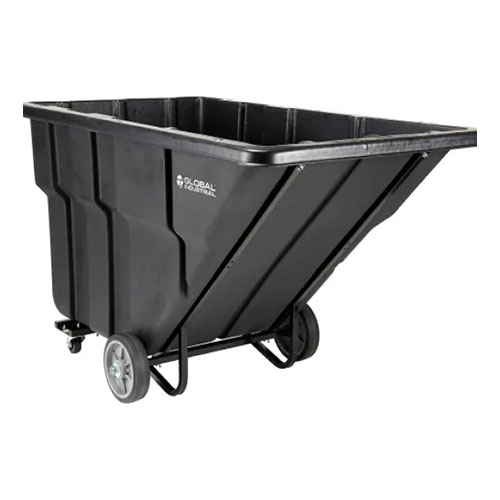
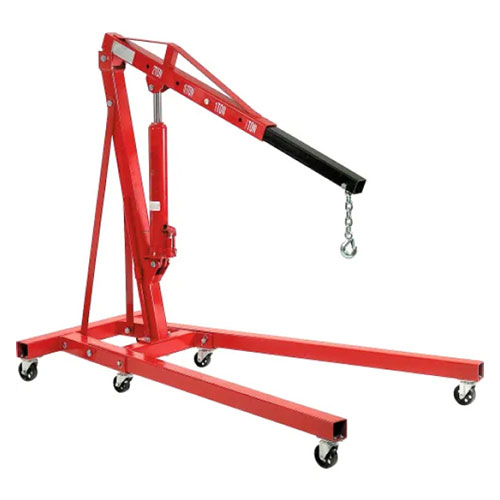
- Maintain material handling equipment
- Inspect forklifts, cranes, and lift tables for readiness.
- Keep tilt trucks and utility carts ready for debris removal.
-
Recommended Products:

Stage 2. During a Storm
Once the storm is happening, it is time to put your preparation into action with the following steps:
- Follow local authority guidance on evacuation or sheltering in place.
- Keep staff in designated safe zones if remaining on-site.
- Monitor official NOAA updates and use your outage tracker to stay informed.
Stage 3 - After a Storm
Once the storm has passed, take the following steps:
- Conduct a safety audit for electrical hazards, structural integrity, and air quality.
- Document all damage for insurance and tax purposes.
- Inspect machinery before restarting operations.
- Use industrial cleaning and restoration tools to prepare for reopening.
Frequently Asked Questions (FAQs)
What’s the difference between an enterprise risk assessment and a cybersecurity risk assessment?
An enterprise risk assessment evaluates all operational risks, from physical damage to worker safety. A cybersecurity risk assessment focuses on protecting your digital infrastructure from threats, including those that arise during storm-related outages.
How much water should I store for my facility during a hurricane?
At least one gallon per person per day for a minimum of three days; seven days is recommended for extended recovery periods.
What belongs in an evacuation kit for a workplace?
An evacuation kit should contain emergency contact lists, critical documents, identification, medications, basic first aid, flashlights, and PPE.
How often should we update our emergency preparedness plan?
Review and update annually before hurricane season, or after any significant operational or facility changes.
Final Checklist for Facility Hurricane Readiness
- Enterprise risk assessment completed.
- Cybersecurity risk analysis conducted.
- Emergency preparedness plan updated.
- Workers trained on hurricane readiness procedures.
- Emergency supplies and evacuation kit stocked.
- Facility safety reinforcements completed.
- Equipment and inventory protected.
- Safety protection equipment available for all staff.
- Outage tracker and communication tools tested.
Hurricane season is unpredictable, but your response doesn’t have to be. By combining emergency preparedness, facility safety upgrades, and thorough worker safety measures, you create a stronger, more resilient operation. The investment you make in emergency equipment and planning today will pay off in reduced downtime, safer working conditions, and faster recovery tomorrow.
The information contained in this article is for informational, educational, and promotional purposes only and is based on information available as of the initial date of publication. It is the reader’s responsibility to ensure compliance with all applicable laws, rules, codes, and regulations. If there is any question or doubt in regard to any element contained in this article, please consult a licensed professional. Under no circumstances will Global Industrial® be liable for any loss or damage caused by your reliance on this article.