Sales: 1.888.978.7759
en-US
US - English
English
selectedCheck


Parking Curbs & Speed Bumps

Parking curbs and speed bumps regulate the movement of vehicles and ensure safety in traffic areas. Parking curbs are used to prevent vehicle overhang and encroachment, while speed bumps are used to reduce vehicle speed. They are made of durable materials like concrete or rubber and come with reflective strips for visibility. Parking curbs and speed bumps enhance safety, prevent accidents, and control traffic flow in parking lots, residential areas, school zones, industrial complexes, and commercial properties.
54 Results

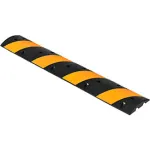
Rubber Speed Bumps

Rubber Speed Bumps
Rubber Speed Bumps are built from UV rubber and offer exceptional durability and weather resistance. Speed bumps are designed to be higher but less wide than speed humps; therefore, slowing the vehicle down quicker as it’s driven-over. Ideal for busy parking lots and high-traffic areas. End caps sold separately.
CompareImageLengthWidthHeightMaterialMounting LocationColorModel #Price
Global Industrial™ Rubber Speed Bump, 72"L, Black w/ Yellow Stripes
72 in
12 in
2-3/8 in
UV Black Rubber
Asphalt/Concrete
Black/Yellow
Ships Same Day
WB708109
as low as

$84.95

Save $7.00 (8%)
Global Industrial™ Speed Bump End Cap, 1 Each
7-1/2 in
12 in
2-9/25 in
UV Black Rubber
-
Black
Ships Same Day
WB708110
as low as

$13.50

Save $1.00 (7%)
Global Industrial™ Rubber Speed Bump, 48"L, Black W/ Yellow Stripes
48 in
12 in
2-9/25 in
UV Black Rubber
Asphalt/Concrete
Black/Yellow
Ships Same Day
WB670528
as low as

$78.95

Save $6.00 (7%)
Plasticade SB72N-SE Speed Bump w/ Cat Eye Reflectors, Recycled Rubber w/ Reflective Stripes, 6' L
72 in
12 in
2-1/2 in
Recycled Rubber
Asphalt/Concrete
Black/Yellow
WBB2350263$95.95
Tire Conversion Technologies Portable Speed Spots, 12" Dia., Black/Yellow, Pack of 8
12 in
12 in
2 in
Rubber
Asphalt/Concrete
Black
WBB3197349$229.95
Plasticade SBECN Speed Bump End Caps, Use with SB72-S and SB72N-SE Speed Bumps
12 in
12 in
2-1/2 in
Recycled Rubber
Asphalt/Concrete
Black
WBB2350262as low as

$8.60

Save $0.70 (8%)

Rubber Speed Humps

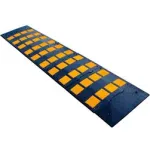
Rubber Speed Humps
Built from heavy-duty rubber, Rubber Speed Humps are built to reduce traffic speeds, ensuring the safety of pedestrians, cyclists, and drivers. Speed humps are lower and wider and more forgiving when driven-over than Speed Bumps; therefore, meant to reduce the vehicle to its designated MPH.

Rubber Parking Curbs

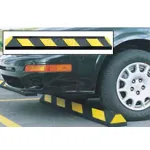
Rubber Parking Curbs
Our Rubber Parking Curbs built with high-quality UV or molded rubber provide a durable barrier to define parking spaces, restrict access, and prevent curb damage. These rubber parking stops have corrosion resistant properties for long-term use and steel spikes for asphalt installation. Installation hardware sold separately. Rubber parking curbs feature molded reflective tape for high visibility.
Speed Bump Accessories - Bolt

Speed Bump Accessories - Bolt

Plastic Parking Curbs

Plastic Parking Curbs
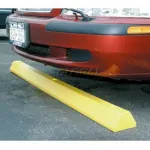
Effectively manage parking with our Plastic Parking Curbs. The durable, recycled plastic build makes these parking curbs sustainable and impact & weather-resistant. The bright yellow color and reflective stripes offer visibility in low-light settings. Easy to install and adjustable, our recycled plastic parking curbs have a sloped design for smooth vehicle transitions while preventing damage.

High Visibility Plastic Speed Bump With Cable Protection

High Visibility Plastic Speed Bump With Cable Protection
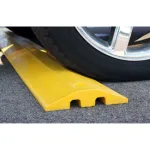
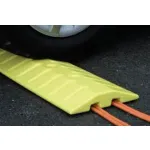
High Visibility Plastic Speed Bumps With Cable Protection keep drivers visibly alert to speed changes. Featuring reflective strips, our yellow speed bumps stand out in all light and road visibility conditions. These speed bumps with cable protection channels safeguard cords from vehicle traffic. High visibility plastic speed bumps are easy to install for quick deployment in high traffic areas.

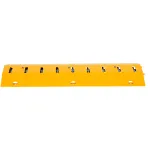
DOORKING® Surface Mount Spike System

DOORKING® Surface Mount Spike System
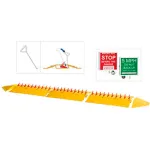
The DOORKING® Surface Mount Traffic Spike System can deter unauthorized vehicle entry and control traffic speed. Our traffic spikes are easy to install and have built-in speed humps and spring retracted spikes. Crossing these traffic control spikes over 5 MPH may cause tire damage and warning signs must be used. Made with heavy-duty steel plates, these traffic spikes can withstand long-term use.

Parking Blocks with Cable Protection

Parking Blocks with Cable Protection
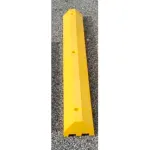
Parking Blocks with Cable Protection are an economical alternative to standard blocks. The built-in cable channels safeguard electrical wiring for added security. Made of durable recycled plastic and designed to fit into any parking space, these parking blocks help prevent damage to curbs and landscaping. The channel shaped base makes these speed bumps stronger than standard blocks.

72"L Speed Bump With Cable Protection

72"L Speed Bump With Cable Protection
72”L Speed Bumps with Cable Protection can handle heavy vehicle loads and serve as a dual channel cable protector. The Cable ramp helps protect air, water, and electrical lines from damage. These industrial speed bumps can bear various weight capacities, feature a HDPE build with non-skid surface, and are weather-resistant. Our extra long speed bumps are bright yellow for visibility.

Plastic Speed Bumps

Plastic Speed Bumps
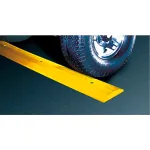
Plastic Speed Bumps safely control vehicle speeds in parking lots and other high-traffic areas. The durable build allows these recycled plastic speed bumps to handle abuse from various elements, including gas and oil. The bright yellow color and 4’ length can visibly alert drivers to reduce their speed. These easy-to-install plastic speed humps have built-in spikes for secure ground anchoring.

Portable & Permanent Speed Bumps

Portable & Permanent Speed Bumps
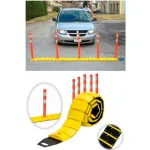
Portable & Permanent Speed Bumps offer traffic flow control and ensure safety in designated areas. The portable speed bumps are lightweight and easy to deploy, making them ideal for temporary traffic control. The permanent speed bumps can withstand long-term use. Both options have yellow and black colors for maximum visibility and optional rumble strips are offered for additional visibility.

Garage Stop

Garage Stop
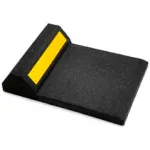
Our Garage Stop is a practical device designed to precisely guide vehicles into parking spaces. Made from molded rubber for long-lasting use, our garage stops help protect vehicles from accidental bumps and scrapes. The reflective stripe offers visibility in low-light areas, while the non-slip bottom keeps the garage stop secure. The lightweight design provides easy transportation and positioning.
Vestil™ Traffic Spiked Speed Bump

Vestil™ Traffic Spiked Speed Bump

Parking Curbs & Speed Bumps for Vehicle and Parking Control

Parking curbs and speed bumps serve different roles in managing vehicle movement. Parking curbs, also called parking stops or wheel stops, help define where vehicles should stop within parking spaces. Speed bumps and speed humps are raised traffic-control devices designed to slow vehicles as they travel through designated areas.

These products are commonly used in parking lots, garages, warehouses, commercial properties, industrial facilities, loading areas, school zones, private roads, and other locations where vehicle positioning or speed needs to be controlled.

What to Consider When Choosing Parking Curbs & Speed Bumps

Start with the problem you need to solve. If the goal is to position parked vehicles, consider a parking curb. If vehicles need to slow down while traveling through an area, a speed bump or speed hump may be more appropriate.

Other factors to consider include:

  • Traffic-control goal: Determine whether you need to position parked vehicles, reduce vehicle speed, or address both needs in different parts of the property.
  • Traffic conditions: Consider the types of vehicles using the area, traffic volume, and how vehicles move through the property.
  • Material: Rubber and plastic options provide different combinations of weight, durability, flexibility, and weather resistance.
  • Visibility: Contrasting colors, reflective markings, and other high-visibility features can make parking curbs and speed-control devices easier for drivers to identify.
  • Installation surface: Check whether the product and mounting hardware are designed for asphalt, concrete, or another surface.
  • Permanent vs. temporary use: Permanent installations are suited to ongoing traffic control, while portable speed bumps can be deployed when temporary speed reduction is needed.
  • Additional functions: Some parking blocks and speed bumps include channels that can help protect cables, hoses, or other lines crossing a vehicle path.

Parking Curbs vs. Speed Bumps vs. Speed Humps

Although these products are all used around vehicle traffic, they are designed for different purposes.

Type Primary Purpose Common Applications Key Consideration
Parking Curbs / Wheel Stops Help position parked vehicles and define stopping points Parking spaces, garages, commercial lots, facilities Choose material, length, visibility, and mounting method for the parking area
Speed Bumps Create a more pronounced speed-reduction point Parking lots, private drives, facility traffic areas Typically narrower and more abrupt than speed humps
Speed Humps Reduce vehicle speed over a broader raised surface Larger parking areas, private roads, facility grounds Wider profile provides a more gradual transition than a speed bump
Portable Speed Bumps Provide temporary speed control Events, temporary work areas, changing traffic patterns Consider portability, stability, visibility, and setup requirements
Cable-Protection Models Slow or position vehicles while helping protect lines crossing a traffic path Facilities, work areas, temporary operations Check channel dimensions and product capacity for the intended application

What Is the Difference Between a Speed Bump and a Speed Hump?

Speed bumps and speed humps both encourage drivers to reduce speed, but their profiles are different.

A speed bump is generally higher and narrower, creating a more pronounced transition as a vehicle passes over it. This makes speed bumps useful where greater speed reduction is needed over a short distance, such as certain parking lots and facility traffic areas.

A speed hump is lower and wider, creating a more gradual transition. Speed humps can be useful where traffic needs to remain moving at a reduced speed rather than encountering a more abrupt speed-control point.

The appropriate choice depends on the location, desired traffic pattern, vehicle types, and requirements that apply to the property.

Rubber vs. Plastic Parking Curbs

Rubber and plastic parking curbs both provide a defined stopping point for parked vehicles, but material can affect handling, flexibility, weight, and installation considerations.

  • Rubber parking curbs are generally flexible and impact resistant, making them well suited to parking lots, garages, and other areas where they may be exposed to regular vehicle contact.
  • Plastic parking curbs are typically lightweight, which can make them easier to transport, position, and handle during installation.
  • Visibility varies by model. Both materials are available with high-visibility colors, contrasting markings, or reflective features.
  • Installation requirements vary. Check the mounting hardware and recommended surface for the individual product, particularly when installing on asphalt or concrete.

When choosing between rubber and plastic parking curbs, consider the installation location, expected vehicle traffic, handling requirements, visibility, and individual product specifications.

Choosing Parking Curbs & Speed Bumps by Application

The right traffic-control product depends on how vehicles interact with the area.

  • Parking lots: Parking curbs can define stopping points within spaces, while speed bumps or humps can help slow moving vehicles in designated areas.
  • Parking garages: High-visibility parking stops can help drivers position vehicles where space is limited.
  • Warehouses and industrial facilities: Speed-control products can help manage vehicle movement in designated traffic areas, while parking curbs can define vehicle stopping points.
  • Loading and service areas: Speed bumps or humps can help control vehicle speed where trucks, service vehicles, workers, and pedestrians may share nearby space.
  • Commercial properties: Parking curbs, speed bumps, and speed humps can support organized parking and traffic flow around entrances, pedestrian areas, and internal drives.
  • Temporary traffic areas: Portable speed bumps can provide temporary speed control where traffic patterns change or permanent installation is not appropriate.

Placement should account for visibility, drainage, accessibility, emergency access, vehicle types, and applicable local requirements.

Parking Curbs & Speed Bumps With Cable Protection

Some parking blocks and speed bumps combine vehicle control with channels designed to route cables, hoses, or other lines beneath the product. These designs can help protect lines from direct vehicle contact while maintaining a defined vehicle path.

When choosing a cable-protection model, check the number and dimensions of the channels, product dimensions, load or capacity specifications, installation requirements, and compatibility with the cables or hoses being protected.

Frequently Asked Questions

Have a Question? Our experts might already have the answers.

What are speed bumps?

Speed bumps are raised traffic-control devices placed across vehicle paths to encourage drivers to reduce speed. They are commonly used in parking lots, private drives, commercial properties, industrial facilities, and other designated low-speed traffic areas.

What is the difference between a speed bump and a speed hump?

Speed bumps are generally higher and narrower, creating a more pronounced speed-reduction point. Speed humps are lower and wider, allowing vehicles to pass over a broader, more gradual raised surface. The appropriate choice depends on the location and desired traffic pattern.

What are parking curbs used for?

Parking curbs help establish stopping points for parked vehicles and define the end of parking spaces. They can help prevent vehicles from traveling beyond designated parking areas into adjacent spaces, landscaping, structures, or other areas.

Are parking curbs the same as wheel stops?

Parking curbs and wheel stops generally refer to the same type of parking-control product: a raised barrier positioned at the end of a parking space to indicate where a vehicle should stop. They may also be called parking stops or parking blocks.

What is the difference between a parking curb and a speed bump?

A parking curb is positioned within a parking space to help determine where a vehicle stops when parking. A speed bump extends across a vehicle path and is designed to slow vehicles as they travel through an area.

Are rubber or plastic parking curbs better?

The better choice depends on the application. Rubber parking curbs are generally flexible and impact resistant, while plastic models are typically lightweight and easier to handle. Also compare visibility, dimensions, mounting requirements, installation surface, and individual product specifications.

Where are speed bumps commonly used?

Speed bumps are commonly used in parking lots, private drives, commercial properties, industrial facilities, and other designated low-speed areas where additional vehicle speed control is needed.

Can speed bumps be temporary?

Yes. Portable speed bumps are designed for temporary traffic-control applications and can be useful for events, temporary work areas, or locations where traffic patterns change. Permanent models are better suited to ongoing speed-control needs.

Can speed bumps protect cables and hoses?

Some speed bumps include built-in channels designed to route and help protect cables, hoses, or other lines from direct vehicle contact. Check channel dimensions, load specifications, and product compatibility before selecting a cable-protection model.

What should I consider before installing parking curbs or speed bumps?

Consider traffic patterns, vehicle types, visibility, installation surface, drainage, accessibility, emergency access, mounting requirements, and applicable local requirements. Product specifications should also be reviewed before installation.