Key Takeaways
- Modern breakrooms support employee wellbeing and workforce engagement by creating spaces where employees can relax, socialize, and recharge.
- Thoughtful office interior design improves productivity, morale, and staff retention by showing employees their comfort is valued.
- Well-equipped break areas are a cornerstone of effective corporate wellness programs and employee retention programs.
- Small investments in amenities, technology, and design can improve workforce productivity and company culture while supporting long-term staff retention strategies.
Why Modern Breakrooms Matter
Today’s workplace success depends on more than operations and output — it depends on people. Modern breakrooms have evolved from simple lunch areas into essential components of corporate wellness programs and employee wellbeing initiatives.
A well-designed space gives employees the opportunity to recharge, connect, and collaborate, directly influencing productivity, engagement, and retention. When organizations invest in these spaces, they send a clear message: people matter.
Whether you’re updating a traditional breakroom or creating a wellness and collaboration hub, modern design and thoughtful amenities can transform the daily employee experience. These spaces not only promote health and focus but also reinforce company culture — and play a critical role in staff retention strategies that reduce turnover and strengthen workforce engagement.
What Are The Benefits of a Modern Breakroom?
The connection between workspace design and employee wellbeing is well-documented. Breaks are essential to both mental and physical health — and the quality of the environment where employees take those breaks has measurable business impact.
1. Improved Happiness and Productivity
A 2023 workplace survey by Great River Products found that 80% of employees reported higher happiness at work with access to a quality breakroom, while 67% noticed higher productivity. (Source: Great River Products, 2023)
2. Better Work-Life Balance
The Slack Workforce Index found employees who take regular breaks experience 62% better work-life balance and 43% greater ability to manage stress. (Source: Slack Workforce Index)
3. Higher Engagement
Gallup reports that 90% of employees feel refreshed and ready to work after taking short, restorative breaks. (Source: Gallup)
These insights confirm what leading companies in the facilities management industry already know: modern breakrooms are a practical investment to improve workforce productivity, reduce stress, and boost overall morale.
How Workspace Environment Impacts Employee Satisfaction
1. Reduces Stress and Prevents Burnout
Dedicated spaces to unwind help employees decompress, lowering stress levels and preventing burnout. Clean air, soft lighting, and comfortable seating support both relaxation and focus.
2. Boosts Morale and Workforce Engagement
When employees feel cared for, engagement follows. A thoughtfully designed breakroom shows that leadership prioritizes employee wellbeing — increasing trust, satisfaction, and connection to company values.
3. Encourages Collaboration and Creativity
Breakrooms act as informal gathering spaces for colleagues from different departments. Casual interactions can spark creativity, strengthen relationships, and encourage cross-functional collaboration.
4. Enhances Productivity
Short breaks in a comfortable environment improve focus and accuracy when employees return to their tasks. This small change can have a measurable impact on output, helping companies improve workforce productivity and reduce downtime.
5. Strengthens Culture and Retention
A modern breakroom is more than a perk — it’s part of an employee retention program that promotes loyalty and reduces turnover. Spaces that promote connection and wellness create a positive company culture that attracts top talent.
What Are The Essentials of a Modern Breakroom?
Creating a modern breakroom begins with essentials that balance comfort, functionality, and aesthetics.
Furniture and Seating
Select ergonomic, durable, and adaptable furniture to serve multiple purposes. Examples include:
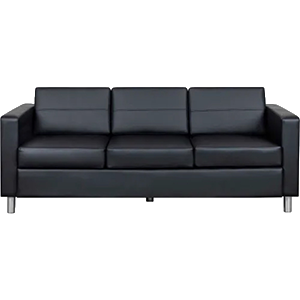
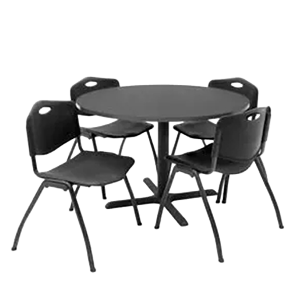
Tables & Chairs
- Standing-height tables for impromptu discussions.
- Modular furniture to reconfigure layouts as needed.
These simple choices support comfort and accessibility while elevating office interior design standards across the workspace.
Appliances and Amenities
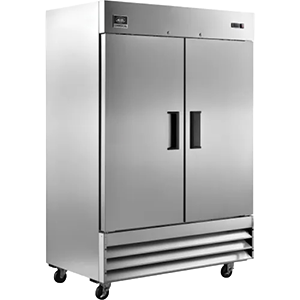
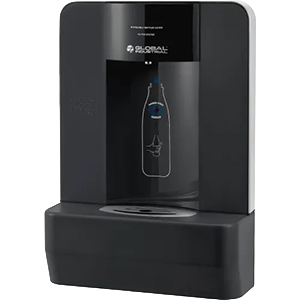
Provide the tools employees need for comfort and convenience. Include:
- Coffee machines, microwaves, and refrigerators for daily use.
- Ice and water dispensers or water bottle filling stations for hydration.
- Healthy snack stations to align with corporate health programs promoting nutrition and wellbeing.
Organization and Storage
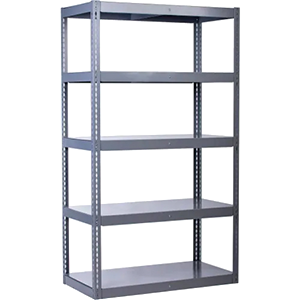
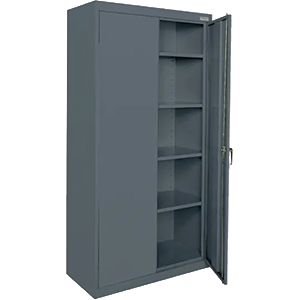
An organized space feels more inviting. Add:
- Shelving and cabinets for supplies.
- Clearly labeled waste and recycling bins.
- Smart storage systems that maintain cleanliness and efficiency.
Transforming a Traditional Breakroom into a Wellness & Collaboration Hub
A modern breakroom can serve multiple purposes — relaxation, connection, and collaboration — by integrating flexible layouts, wellness features, and thoughtful design.
Flexible and Collaborative Spaces
Offer a mix of environments for different needs:
- Communal tables for team discussions.
- Quiet corners for solo breaks.
- Indoor and outdoor break spaces to provide variety and fresh air.
Ergonomic and Health-Focused Design
Integrate features that support corporate wellness programs and promote long-term comfort.
- Ergonomic seating reduces fatigue.
- Air purifiers promote clean, germ-free air.
- Healthy snack options reinforce nutritional goals.
- Hand sanitizing stations and touchless appliances improve hygiene.
Aesthetic and Mental Wellness
Design impacts emotion. Enhance wellbeing through:
- Natural lighting and calming color schemes.
- Indoor plants and greenery for air quality and relaxation.
- Artwork and brand-aligned decor to reinforce company identity.
A visually appealing environment reduces stress and contributes to a more positive workday.
Technology for Collaboration
Modern breakrooms can double as informal meeting zones.
- Install smart displays or digital whiteboards for brainstorming.
- Ensure Wi-Fi coverage and charging stations.
- Use attendance management software to track shift schedules, ensuring breakroom capacity aligns with workflow and safety guidelines.
This integration of technology supports flexibility, collaboration, and operational efficiency — all critical components of a healthy, connected workforce.
What are Features That Reinforce a Culture of Caring?
The details of your breakroom design reflect your company’s values and commitment to people and the planet. Consider including:
- Energy-efficient lighting to save costs and reduce environmental impact.
- Recyclable materials and eco-friendly finishes for sustainability.
- Accessibility features that ensure inclusivity.
- Digital signage that communicates updates or wellness tips.
- Brand-aligned messaging that reinforces mission and purpose.
These touches show that your organization values comfort, sustainability, and wellbeing — the foundation of any strong corporate health program.
How to Plan and Implement a Modern Breakroom?
Step 1: Evaluate Employee Needs
Gather feedback through surveys or focus groups. What amenities would improve daily life? Would a vending machine or a refrigerator be more appreciated by your staff? Employees who help design their space feel more ownership and satisfaction.
Step 2: Set Priorities and Budget
Identify high-impact upgrades first — such as ergonomic furniture or hydration stations. Then, look at smaller decor items like plants, clocks, and bulletin boards. Align your spending with goals like wellbeing, collaboration, and engagement.
Step 3: Focus on Durability and Maintenance
Select commercial-grade furniture and appliances that withstand frequent use. A well-made table and sturdy chair could make all the difference. Durable materials reduce maintenance and extend lifespan.
Step 4: Partner with Trusted Suppliers
Work with suppliers who understand facilities management and office interior design. Bundled solutions for furniture, appliances, and accessories save time, ensure quality, and improve ROI.
Step 5: Promote and Maintain Engagement
Encourage employees to use the breakroom regularly. Create events, holiday decor, or other points of interest to engage the community to use the space. Keep it stocked, clean, and updated. Regularly refresh decor and amenities to maintain excitement and connection.
Frequently Asked Questions (FAQs)?
What defines a modern breakroom?
A modern breakroom blends comfort, technology, and wellness — providing a space for employees to relax, connect, and collaborate. It supports both employee wellbeing and workforce engagement.
How does a breakroom improve productivity?
Breakrooms help employees recharge mentally and physically. Even short breaks reduce fatigue and increase focus, helping companies improve workforce productivity over time.
What amenities matter most?
Key amenities include ergonomic seating, healthy snack, hydration stations, microwaves, refrigerators, and technology for informal meetings.
How can breakroom design support corporate wellness programs?
Wellness programs thrive when supported by physical spaces that encourage healthy habits — such as nutritious food options, access to water, and air purifiers that enhance wellbeing.
How do modern breakrooms support staff retention strategies?
Breakrooms reinforce employee retention programs by promoting a positive work culture and demonstrating that the company values employee comfort and satisfaction.
Building a Space Where Employees Thrive
A well-designed breakroom is more than a place to eat — it’s a cornerstone of a healthy, engaged workforce. When companies create spaces that support employee wellbeing and social connection, they invest in morale, collaboration, and loyalty.
From furniture and lighting to healthy snack and flexible layouts, every design choice contributes to better focus, happier employees, and stronger staff retention strategies. In today’s competitive market, prioritizing wellness and comfort through thoughtful office interior design isn’t just an HR initiative — it’s a strategic advantage.
Global Industrial offers everything you need to design or upgrade a modern breakroom — from furniture and appliances to wellness, safety, and collaboration solutions. Build a space that keeps your workforce engaged, healthy, and inspired.
The information contained in this article is for informational, educational, and promotional purposes only and is based on information available as of the initial date of publication. It is the reader’s responsibility to ensure compliance with all applicable laws, rules, codes, and regulations. If there is any question or doubt in regard to any element contained in this article, please consult a licensed professional. Under no circumstances will Global Industrial® be liable for any loss or damage caused by your reliance on this article.