Key Takeaways
- Warehouse Guardrails and other industrial safety barriers for warehouse environments reduce collisions, protect workers, and prevent costly facility damage.
- Install industrial guardrails in high-risk zones: pedestrian aisles, racking, docks, machinery areas, building corners, parking lots, and mezzanines.
- New flexible plastic guardrails—offered exclusively by Global Industrial—provide high visibility, corrosion resistance, and superior impact absorption.
- Use complementary protection like pallet rack protectors, bollards, column protectors, and machine guarding systems for a complete safety plan.
Warehouse Guardrails are one of the most effective ways to protect workers, equipment, and facility structures in busy industrial facilities. In warehouses, loading docks, and parking areas, forklifts, pallet jacks, vehicles, and pedestrians cross paths constantly, creating real collision risks.
Installing industrial safety railing in strategic locations helps reduce accidents, minimize equipment damage, improve traffic flow, and support OSHA compliance. This guide outlines where to add industrial guardrails, why they are essential, and which products deliver best protection for each application.
Benefits of Using Guardrails in Industrial Facilities
Guardrails improve safety and protect assets in multiple ways. Here’s what they help prevent:
- Forklift and vehicle collisions that can cause injuries and costly damage
- Worker injuries near vehicle pathways
- Damage to racking, equipment, mezzanines, and walls, reducing repair and replacement costs
- Expensive repairs to doors, columns, corners, and inventory
- OSHA compliance violations that lead to fines and operational setbacks
- Traffic bottlenecks and operational downtime
Critical Areas to Install Warehouse Guardrails
Below are the most important places to add safety barriers for warehouse environments, with specific examples and product recommendations.
1. Pedestrian Walkways & High-Foot-Traffic Zones
Best For: Preventing forklift–pedestrian accidents
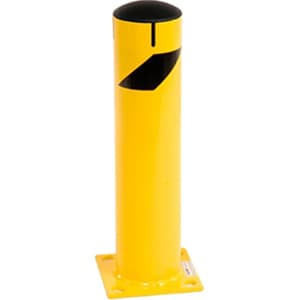
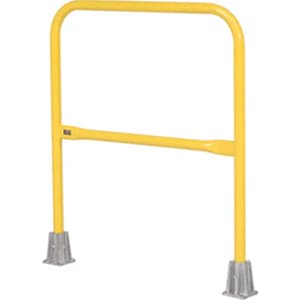
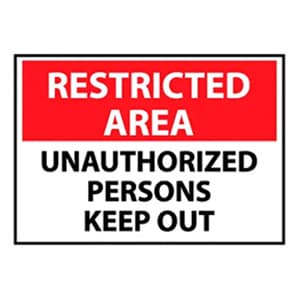
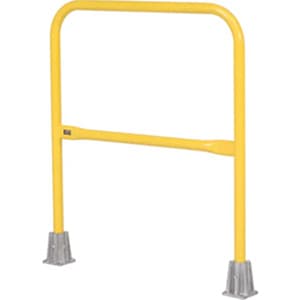
Pedestrian Safety Barriers create a physical separation between workers and moving vehicles. Install warehouse guardrails to:
- Separate forklift aisles from foot traffic
- Protect breakrooms, time-clock areas, offices, and restrooms
- Mark designated safe-walking routes
Recommended Products
2. Around Racking, Shelving & Storage Systems
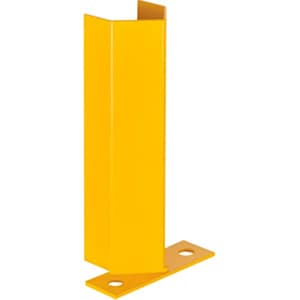
Forklift impacts on racking can cause collapses, inventory loss, and injuries. Adding industrial guardrails and pallet rack protectors reduces these risks significantly.
Install guardrails near:
- End-of-aisle racking
- Pallet rack uprights
- Bulk-storage zones
- Pick tunnels
Recommended Products
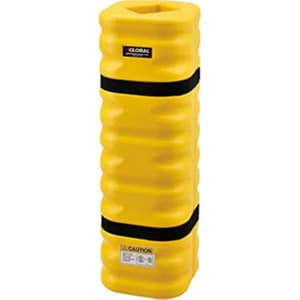
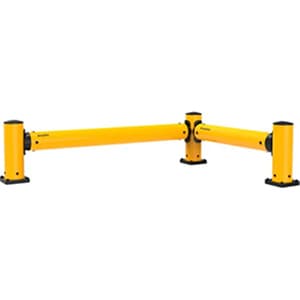
3. Loading Docks & Dock Approaches
Loading docks have tight turns, blind spots, and constant trailer movement. Loading dock guardrails increase visibility and protect both assets and employees.
Place guardrails at:
- Dock edges
- Trailer lanes
- Overhead door frames
- Pedestrian entry points
- Ramp transitions
Recommended Products
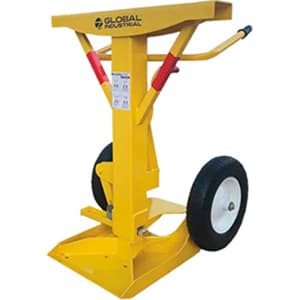
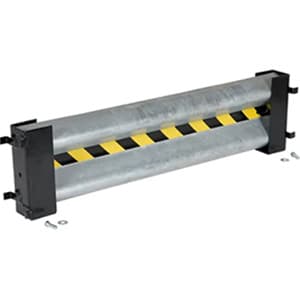
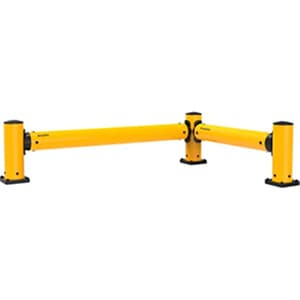
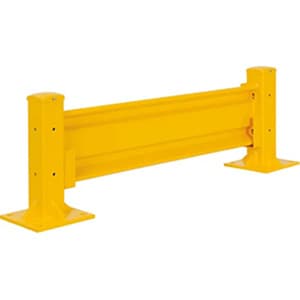
4. Building Columns, Corners & Structural Supports
Forklift collisions with structural supports are common—and expensive. Industrial safety railing around key architectural elements helps prevent structural damage.
Install guardrails:
- Around support columns
- Along interior walls
- At corner turns
- Near conveyor legs and machine bases
Recommended Products
5. Machinery, Equipment & Automation Zones
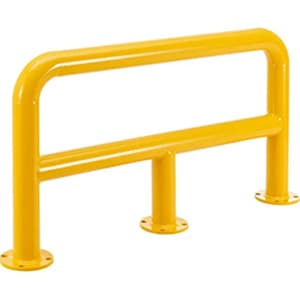
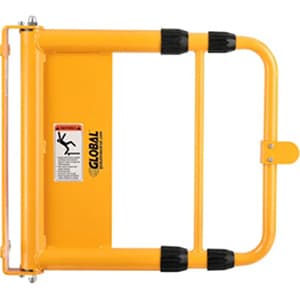
Machine guarding systems prevent impact damage around:
- Conveyor lines
- Robotics cells
- Production machinery
- Battery-charging areas
These zones require strong, fixed safety barriers to maintain operator safety and avoid downtime.
Recommended Products
6. Parking Lots & Vehicle Lanes
Outdoor safety barriers for warehouse lots help direct traffic and protect buildings.
Use guardrails:
- Along building exteriors
- In parking zones
- Around loading-dock aprons
- Near fuel or maintenance areas
Recommended Products
7. Mezzanine Floors & Elevated Work Areas
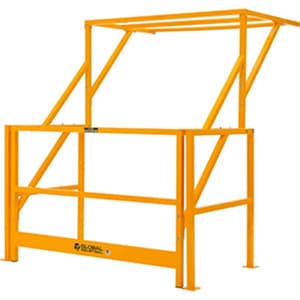
Mezzanine guardrails protect employees from falls and shield workers below from falling objects.
Place guardrails around:
- Mezzanine perimeters
- Stair landings
- Elevated picking platforms
Recommended Products
Product Spotlight: NEW Flexible Plastic Guardrails
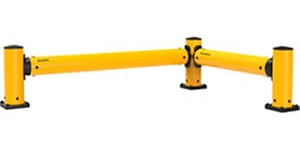
A highly recommended alternative to steel systems, plastic guardrails are:
- Flexible to fit the size of your area
- Designed to be configured to your space
- Bright, visible, and ideal for high-traffic zones
- Non-corrosive and weather-resistant
- Designed with flexible impact absorption that reduces damage to forklifts and floors
- Easier to install and maintain than steel
- Resistant to chips, scratches, rust, or paint wear
- Perfect for food, pharma, and other clean-facility environments
Frequently Asked Questions (FAQs)?
Where should I install warehouse guardrails first?
Start with the highest-risk zones: pedestrian walkways, loading docks, building columns, and racking ends.
What's the difference between steel and plastic guardrails?
Steel offers maximum strength, while plastic guardrails provide flexibility, corrosion resistance, and easier installation.
Do guardrails help with OSHA compliance?
Yes. OSHA encourages physical barriers to separate pedestrians and vehicles in industrial spaces.
What’s better—bollards or guardrails?
Use bollards for point-impact protection and guardrails for linear or perimeter protection. Most warehouses need both.
Warehouse Guardrails, pedestrian safety barriers, pallet rack protectors, bollards, and mezzanine guardrails work together to create a safer, more efficient facility. When placed correctly, these systems prevent collisions, reduce costly repairs, and protect workers in every area of your operation.
Ready to improve warehouse safety? Explore our full range of guardrails and safety barriers here.
The information contained in this article is for informational, educational, and promotional purposes only and is based on information available as of the initial date of publication. It is the reader’s responsibility to ensure compliance with all applicable laws, rules, codes, and regulations. If there is any question or doubt in regard to any element contained in this article, please consult a licensed professional. Under no circumstances will Global Industrial® be liable for any loss or damage caused by your reliance on this article.