

Sharps & Biohazard Containers
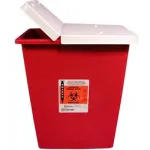
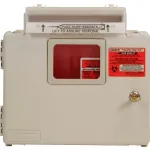
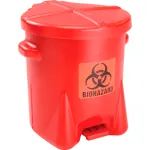
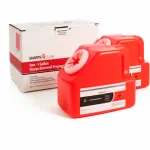

Sharps Containers
| Compare | Image | Width | Height | Material | Color | Package Quantity | Model # | Price | |
|---|---|---|---|---|---|---|---|---|---|
 | 13-3/4 in | 16-1/2 in | Plastic | Clear | 1 | Ships Same Day WBB2219117 | $27.95 | ||
 | 17-3/4 in | 11 in | High Impact Polypropylene | Clear | 1 | Ships Same Day WB732120 | $24.95 ea. | ||
 | 5-1/2 in | 12 in | Plastic | Yellow | 4 | WBB2249830 | $89.95 | ||
 | 12-1/16 in | 10-1/8 in | High Impact Polypropylene | Clear | 1 | Ships Same Day WB732124 | $7.70 | ||
 | 10-3/4 in | 12-1/2 in | Plastic | Transparent Red | 1 | WBB2219124 | $18.50 | ||
 | 9-15/16 in | 11-9/16 in | High Impact Polypropylene | Red | 1 | Ships Same Day WB732119 | $8.00 | ||
 | 4-1/2 in | 6 in | Steel Wire | White | 1 | Ships Same Day WBB1037870 | $24.25 | ||
 | 10-5/16 in | 10-1/8 in | High Impact Polypropylene | Clear | 1 | Ships Same Day WB732117 | $7.70 | ||
 | 4-1/2 in | 6-1/4 in | Plastic | Red | 1 | Ships Same Day WBB2219123 | $7.10 | ||
 | 10-1/2 in | 10 in | Plastic | Red | 1 | Ships Same Day WBB2219119 | $17.50 |

Wall Mount Sharps Container Cabinets

Drug Disposal Bottles

Biohazard Disposal Waste Cans

Mail-Back Sharps Retrieval Systems

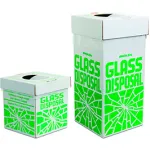
Glass Disposal Cartons

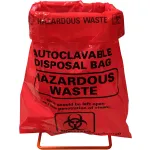
Biohazard Waste Disposal
Related Products
2.2 Quart Rotor Lid Sharps Containers provide safe disposal of needles and syringes. The specially designed rotating lid allows medical personnel to termporarily close the container for safe transport. Once full, a quick additional turn permanently locks the container for final disposal. The horizontal drop maximizes usable container voulme for larger sharps. Comes complete with needle unwinder feature. Features: FDA 510K Approved Excellent for Phlebotomy, Laboratory, and Personal Use Settings Comparable to Covidien Part # 1522SA
2-Gallon Multi-Purpose Sharps Container, 11-5/8"W x 7-3/4"D x 8-5/8"H, Red Designed for use in restricted areas such as nurses' stations, med carts, laboratories, ORs and pharmacies. Can be wall-mounted or used freestanding on tabletop or cart. Accommodate a large variety of sizes of sharps Puncture-resistant, leakproof, high-impact plastic Clear top with lock-tight lid Can be autoclaved or incinerated Easily accessible needle remover Wide horizontal opening accepts various sharp disposables Accommodates syringes up to 60cc Built-in handles for easy transport 2 gallon capacity Measures ...
Covidien 5-Quart SharpStar In-Room Sharps Container, 10-3/4"W x 5-1/2"D x 12-1/2"H, Transparent Red Sharps refill container with counterbalanced lid is designed for use with Sharpstar In-Room Enclosure System. Design minimizes the potential for overfilling by stopping in the "FULL" position when container reaches maximum capacity. Economical horizontal drop maximizes container volume. Lid design limits accidental or intentional access to container contents and allows visual monitoring of the fill level. Container locks for final disposal. Opening Size: 8" x 3". 5-Quart Capacity. ...
The 5 Qt. Sharps Container can be used with Locking Wall Mounted Sharps Disposal System (Model# 143002). The automatic rotating chamber is designed to safely deposit sharps into the puncture resistant container. Meets U.S. Federal and State OSHA requirements. Features: Fits Locking Wall Cabinet Model# 143002 5 qt. container can also be used in another leading brand of cabinet to provide the same operation as described above Horizontal drop maximizes the use of the container Containers may be nested for compact storage Containers packed 10 per dispenser box, 20 per case Dimensions: approx. ...
Transparent Red Sharps Container features an always-open lid for convenient, quick, easy point-of-use sharps disposal. The 8.5" wide lid opening accommodates larger syringes. Economical horizontal drop maximizes container volume. Lid design limits accidental or intentional access to container contents. Nestable, autoclavable container allows visual monitoring and locks for final disposal. 3-Gallon capacity. 16.3"H x 13.8"W x 6"D.
How to Choose the Right Sharps and Biohazard Disposal Container
Proper waste segregation is an important part of maintaining safe healthcare, laboratory, and workplace environments. Sharps and biohazard disposal containers provide a secure method for collecting items such as needles, syringes, and other potentially hazardous materials while helping reduce the risk of accidental injuries and exposure.
These containers are commonly used in hospitals, clinics, dental offices, laboratories, pharmacies, veterinary facilities, and other environments where medical or biohazard waste is generated. Selecting the right container depends on the type of waste collected, volume requirements, placement location, and facility procedures.
What Are Sharps and Biohazard Disposal Containers?
Sharps and biohazard disposal containers are specialized waste collection containers designed for the safe handling of materials that may cause injury or require special disposal procedures.
Sharps containers are designed for items that can puncture or cut skin, such as needles, syringes, lancets, and other sharp medical instruments. These containers are typically puncture-resistant and designed to help prevent accidental contact during collection and handling.
Biohazard waste containers are used for collecting materials that may contain biological contaminants or require separate handling from general waste streams.
Using dedicated disposal containers helps facilities maintain proper waste separation and supports safer handling practices.
Types of Sharps and Biohazard Disposal Containers
Sharps Containers
Sharps containers are designed specifically for collecting used needles, syringes, and other sharp medical items. They are available in different sizes and configurations to accommodate various environments, from individual workstations to high-volume healthcare facilities.
Common features include:- Puncture-resistant construction
- Secure lids or locking mechanisms
- Clearly identified sharps disposal markings
- Different capacity options for low- and high-volume applications
Biohazard Waste Containers
Biohazard waste containers provide a designated collection point for materials requiring specialized disposal procedures. They are commonly used in healthcare, laboratory, and research environments.
Common features include:- Biohazard identification markings
- Durable construction
- Secure closures
- Compatibility with facility waste handling procedures
Wall-Mounted and Bracket-Mounted Sharps Containers
Wall-mounted systems help keep sharps containers accessible while reducing the need for additional floor space. These solutions are commonly used in patient rooms, examination areas, laboratories, and treatment spaces.
Common features include:- Space-saving installation
- Easy access for users
- Secure container placement
- Compatibility with specific container sizes
Sharps Container Disposal Systems
Some facilities use sharps container disposal programs that provide collection, replacement, and management solutions for used containers. These programs can help organizations simplify waste handling processes and maintain consistent disposal procedures.
How to Select the Right Sharps Disposal Container
Consider the Type of Waste
The first step is identifying what materials will be collected. Different containers are designed for different waste streams, including:
- Needles and syringes
- Lancets and medical instruments
- Laboratory sharps
- Contaminated medical items
- Other regulated waste materials
Always select containers that are appropriate for the materials generated in your facility.
Determine the Required Capacity
Container size should match the volume of waste generated and how frequently containers are replaced.
- Smaller containers are useful for individual rooms, workstations, and low-volume applications.
- Larger containers are better suited for hospitals, laboratories, and facilities with higher disposal needs.
Evaluate Placement Requirements
Consider where the container will be used and how easily employees or staff can access it.
Common locations include:- Patient rooms
- Examination rooms
- Laboratories
- Pharmacies
- Treatment areas
- Employee healthcare stations
Wall-mounted options may be beneficial where floor space is limited.
Review Safety Features
Important features to consider include:- Puncture-resistant materials
- Secure closures
- Fill indicators
- Stable mounting options
- Clearly visible labeling
These features help support safer collection and handling procedures.
Benefits of Sharps and Biohazard Disposal Containers
Using dedicated disposal containers helps facilities:
- Reduce the risk of accidental sharps injuries
- Improve waste segregation practices
- Support safer handling procedures
- Keep work areas organized
- Provide clearly identified disposal locations
- Maintain consistent waste management processes
Industries That Use Sharps and Biohazard Disposal Containers
Sharps and biohazard disposal containers are commonly used in:
- Hospitals
- Medical clinics
- Dental offices
- Veterinary facilities
- Laboratories
- Research facilities
- Pharmacies
- Long-term care facilities
- Universities and educational institutions
- Manufacturing facilities with medical or laboratory operations
Frequently Asked Questions
Have a Question? Our experts might already have the answers.
What items should be placed in a sharps container?
Sharps containers are designed for items such as needles, syringes, lancets, and other sharp medical instruments that could puncture or injure someone. Facilities should follow their waste handling procedures and applicable disposal requirements when determining what materials belong in each container.
What is the difference between a sharps container and a biohazard waste container?
A sharps container is specifically designed for puncture hazards such as needles and other sharp objects. A biohazard waste container is used for collecting materials that may contain biological contaminants or require specialized waste handling.
How do I choose the right size sharps container?
The right size depends on the volume of sharps waste generated, available space, replacement frequency, and the location where the container will be used. Smaller containers work well for individual areas, while larger containers are better for high-volume environments.
Where should sharps disposal containers be placed?
Sharps disposal containers should be placed in convenient locations where sharps are used or generated, such as patient care areas, laboratories, treatment rooms, and other designated workspaces.
Are sharps containers reusable?
Most sharps containers are designed for single-use collection and disposal or replacement through approved waste management processes. Facilities should follow manufacturer instructions and applicable disposal procedures.
What features should I look for in a sharps disposal container?
Important features include puncture-resistant construction, secure closures, appropriate capacity, visible labeling, and compatibility with the intended application and facility procedures.