Key Takeaways
- Plan proactively to build operational and supply chain resilience during times of uncertainty.
- Invest early in predictive maintenance, energy efficiency, and safety to reduce downtime and costs.
- Prioritize high-impact upgrades in storage, material handling, maintenance, and safety equipment.
- Work strategically with suppliers to align procurement, lock in pricing, and streamline operations.
In the world of facility management, we can’t exactly predict the future. But we can get pretty close. For example, a global cement manufacturer was faced with a problem: how to monitor their critical machine assets over time to prevent costly maintenance. Thinking ahead, they invested in predictive vibration monitoring to detect bearing wear on a separator fan, preventing unplanned downtime and saving an estimated $120,000 in repair and lost production costs within six months. By thinking of the future, you can prevent disaster and protect your bottom line. The time to act is now.
Why Long-Term Planning Matters
Managing your facility is operating in a climate of constant change. Data shows that predictive maintenance investments often achieve payback in 12–24 months through reduced downtime and optimized asset life. To stay competitive, facility managers must shift their mindset from short-term fixes to long-term strategy.
This guide explains how proactive planning and smart investment can help industrial facilities strengthen efficiency, improve safety, and maintain productivity no matter what the economy brings next. By adopting a forward-looking approach, leaders can:
- Build stronger supply chain resilience.
- Improve warehouse efficiency and throughput.
- Reduce operational costs across every department.
- Extend the life of their industrial machinery and equipment.
What Are The Economic Pressures Facilities Face?
Rising Operational Costs
From utilities to labor and raw materials, expenses continue to climb. Facilities that focus on reducing operational costs through smarter equipment use, energy-efficient upgrades, and maintenance planning will be better positioned to maintain margins.
Unstable Supply Chains
The last few years have proven that supply chain disruptions are unavoidable. Building supply chain resilience — through early purchasing, reliable partnerships, and adequate inventory — ensures continuity even when global conditions shift.
Evolving E-Commerce Demands
Faster fulfillment and complex logistics have reshaped the warehouse landscape. Facilities must operate with higher precision, improved warehouse efficiency, and greater agility to meet customer expectations.
Economic Volatility
Market uncertainty makes budgeting more complex. Long-term investments in reliability — rather than temporary cuts — help stabilize performance and cash flow over time.
Why Acting Now Builds a Stronger Future
Waiting for stability can lead to missed opportunities and greater costs. Proactive facilities leaders know that early investment in resilience delivers measurable benefits.
1. Predictive and Preventive Maintenance Protects Assets
Reactive maintenance can halt operations without warning. Predictive maintenance uses data and condition monitoring to spot problems early, while tools for preventive maintenance help crews perform routine inspections that prevent breakdowns. Together, these strategies:
- Reduce unplanned downtime.
- Extend the lifespan of key assets.
- Lower repair and replacement expenses.
2. A Ready and Equipped Workforce Boosts Productivity
Well-prepared teams are essential for operational efficiency. When workers have the right tools, PPE, and equipment on hand, they can respond faster and more safely.
- Keep stock of high-use parts and safety gear.
- Train workers on preventive maintenance and inspections.
- Empower teams with ergonomic tools to prevent fatigue and injuries.
3. Early Procurement Strengthens Supply Chain Resilience
Ordering early and maintaining adequate stock levels helps facilities avoid interruptions from delayed shipments or rising prices.
- Lock in pricing before inflation impacts budgets.
- Build redundancy in critical product categories.
- Source through trusted partners who can ensure reliable fulfillment.
4. Strategic Investments Drive Efficiency and Savings
Every investment should support a long-term goal. Facilities that modernize their equipment, improve layout, and adopt energy-efficient solutions achieve stronger ROI while reducing operational costs. For example, a study comparing HVAC system maintenance versus replacement found that preventive maintenance delivered a 545% ROI by extending equipment life and reducing downtime.
What Are Some Key Areas to Strengthen for Long-Term Resilience?
Building resilience starts with prioritizing areas that directly influence productivity, safety, and cost efficiency. Below are five focus areas where strategic investment can make the biggest impact.
1. Storage and Organizational Efficiency
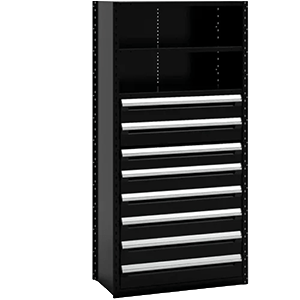
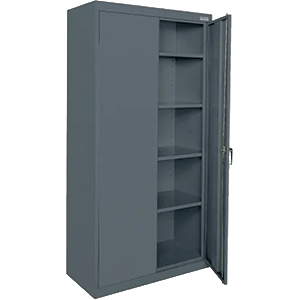
Warehouse organization plays a major role in throughput and safety. Efficient storage solutions streamline workflow and minimize wasted space.
Invest in:
- Modular shelving and high-density racks to optimize space.
- Bins, labels, and cabinets for easy material access.
- Pallet racking and mezzanine systems to expand vertically instead of horizontally.
Benefits:
- Better warehouse efficiency and space utilization.
- Reduced picking times and fewer misplaced items.
- Safer, clearer work areas for employees.
2. Material Handling for Throughput and Safety
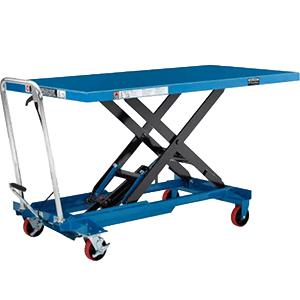
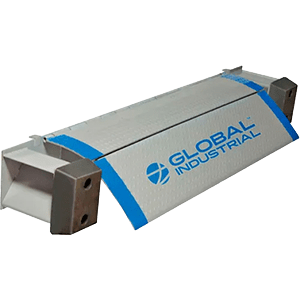
Smooth material flow prevents bottlenecks and injuries. Investing in durable handling equipment supports both speed and safety.
Invest in:
- Lift tables, conveyors, and pallet jacks for ergonomic movement.
- Dock levelers, bumpers, and barriers to improve shipping and receiving.
- Automated handling systems for higher throughput with lower labor intensity.
Benefits:
- Increased speed without sacrificing safety.
- Reduced physical strain on workers.
- Greater control over material flow and storage.
3. Safety Industrial Solutions
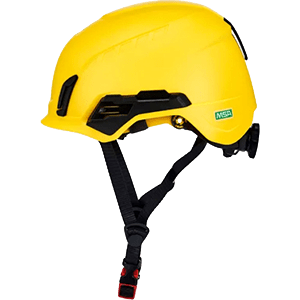
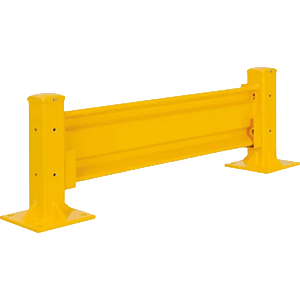
Safety is the foundation of operational resilience. Investing in safety industrial solutions not only protects workers but also enhances productivity.
Invest in:
- Personal protective equipment (PPE) such as gloves, eyewear, and high-visibility clothing.
- Fall protection and guard rails for elevated work areas.
- Barrier systems and floor markings for traffic control.
Benefits:
- Reduced injuries and lost workdays.
- Improved morale and workforce stability.
- Compliance with workplace safety standards.
4. Industrial Equipment Maintenance and Repair
Reliable machinery is essential to daily operations. Regular industrial equipment maintenance and well-planned industrial machinery repair schedules prevent breakdowns that cause production loss.
Invest in:
- Tools for preventive maintenance such as lubrication kits, diagnostic sensors, and filters.
- Predictive maintenance software to monitor performance and detect early issues.
- Replacement parts and maintenance kits kept in ready stock.
Benefits:
- Fewer emergency repairs and downtime events.
- Longer lifespan of critical machinery.
- Reduced total cost of ownership for capital equipment.
5. Energy and Utility Efficiency Upgrades
Rising energy prices continue to strain budgets. Investing in efficient systems helps facilities reduce operational costs while maintaining comfort and reliability.
Invest in:
- Smart thermostats and HVAC systems for better climate control.
- LED lighting and sensors to cut energy consumption.
- Air curtains and insulation to minimize heat loss in dock areas.
- Portable heaters and fans for flexible, targeted temperature management.
Benefits:
- Lower monthly utility bills.
- Improved comfort and productivity.
- Reduced environmental impact and enhanced sustainability.
How to Create a Long-Term Operational Plan
Building resilience doesn’t require massive overhaul — just consistent, strategic planning. Here’s how to get started.
Step 1: Identify High-Impact Priorities
Review maintenance logs, downtime reports, and cost data to determine where improvements can deliver the highest ROI — such as energy use, safety, or maintenance.
Step 2: Align Investments with Operational Needs
Work closely with department heads and maintenance teams to align purchases with daily challenges. Focus spending on the areas that affect uptime, safety, or productivity the most.
Step 3: Leverage Supplier Expertise
Partner with a reliable supplier who understands the facilities management industry and offers bundled product solutions. This ensures compatibility, reliable delivery, and long-term ROI.
Step 4: Plan for Seasonal and Economic Shifts
Adjust procurement timing to anticipate demand spikes or weather-related changes. Maintain buffer stock of critical items to ensure year-round readiness.
Frequently Asked Questions (FAQs)
How can I build supply chain resilience in my facility?
Diversify your sourcing, order early, and maintain a safety stock of critical supplies. Partner with suppliers who provide reliable fulfillment and proactive communication.
What’s the difference between preventive and predictive maintenance?
Preventive maintenance follows scheduled inspections to prevent issues, while predictive maintenance uses data and sensors to predict equipment failure before it occurs. Both reduce downtime and improve reliability.
How can I reduce operational costs without cutting corners?
Focus on energy efficiency, proactive maintenance, and equipment upgrades. These strategies reduce waste, prevent breakdowns, and improve overall facility performance.
Why is investing in safety equipment a smart financial move?
Safety investments reduce accidents, lost workdays, and liability costs — all while improving worker confidence and retention. The long-term ROI makes it a core part of any resilience plan.
Invest Today to Strengthen Tomorrow
Uncertainty doesn’t have to disrupt your operations. By planning ahead, focusing on preventive and predictive maintenance, and investing in efficiency and safety, facilities can thrive under any economic condition.
Long-term planning is more than a budgeting exercise — it’s a commitment to operational excellence. From industrial equipment maintenance to energy upgrades and safety industrial solutions, every step taken today builds a stronger, more resilient tomorrow.
Global Industrial provides the products, expertise, and support the facilities management industry needs to stay strong, efficient, and ready for the future — helping you build resilience through smarter planning and better operations.
The information contained in this article is for informational, educational, and promotional purposes only and is based on information available as of the initial date of publication. It is the reader’s responsibility to ensure compliance with all applicable laws, rules, codes, and regulations. If there is any question or doubt in regard to any element contained in this article, please consult a licensed professional. Under no circumstances will Global Industrial® be liable for any loss or damage caused by your reliance on this article.