

Gazebos, Pavilions, & Pergolas
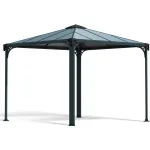
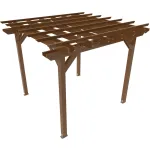

Gazebos
| Compare | Image | Material | Frame Material | Color | Length | Width | Peak Height | Brand | Model # | Price | |
|---|---|---|---|---|---|---|---|---|---|---|---|
 | Polycarbonate | Aluminum | Gray | 20 ft 1 in | 13 ft 11 in | 9 ft 9 in | Palram - Canopia | WBB3234888 | $5,499.00was $6869.00 Save $1370.00 (20%) | ||
 | Polycarbonate | Aluminum | Gray | 16 ft | 13 ft 11 in | 9 ft 9 in | Palram - Canopia | WBB3234887 | $4,499.00was $5615.00 Save $1116.00 (20%) | ||
 | Galvanized Steel | Galvanized Steel | Silver | 16 ft | 16 ft | 15 ft | Behlen Country | WBB3218148 | $7,999.00 | ||
 | Polycarbonate | Aluminum | Gray | 14 ft | 14 ft | 9 ft 9 in | Palram - Canopia | WBB3234883 | $3,799.00was $4949.00 Save $1150.00 (23%) | ||
 | Polycarbonate | Aluminum | Dark Gray | 9 ft 9 in | 13 ft | 8 ft 3 in | Hanover | WBB2336886 | $2,415.00 | ||
 | Polycarbonate | Aluminum | Dark Gray | 9 ft 9 in | 13 ft | 8 ft 3 in | Hanover | WBB2336888 | $2,165.00 |

Pergolas
Related Products
The 12' x 12' Pergola with 5' Weatherly Porch Swing provides a polished, functional solution for commercial and residential outdoor spaces. Designed to create defined, shaded seating areas, the pergola offers a clean architectural profile that enhances patios, gardens, and landscaped environments. The Weatherly Porch Swing features a modern design that balances comfort with visual appeal, supporting relaxed use in shared outdoor settings. Built to enhance usability and aesthetics, this pergola and swing set delivers a refined outdoor seating experience suited for hospitality, multi-use, ...
The 12' x 12' Bodhi Pergola is engineered for commercial and residential outdoor environments, providing a durable and functional solution for shaded seating and gathering areas. Constructed from weather-resistant materials, it is built to withstand sun, rain, and seasonal exposure while maintaining structural integrity and visual appeal. The pergola's clean-lined design and natural-wood like finish integrate seamlessly into patios, gardens, and landscaped spaces, supporting both aesthetic and functional objectives. Ideal for creating organized, comfortable outdoor areas, it offers ...
The 8' x 8' Bodhi Pergola is a compact, all-weather solution designed for commercial and residential outdoor applications where space efficiency is required. Its clean, natural profile provides structured shade while enhancing the functionality of patios, decks, and garden areas. The durable, weather-resistant materials help the pergola to withstand demanding climate conditions and supports long-term use to meet site-specific needs. Built for durability and low maintenance, it delivers a reliable, professional-grade solution for creating defined outdoor spaces suitable for year-round use. ...
The 10' x 10' Bodhi Pergola Kit is engineered as a durable, all-weather solution for commercial and residential outdoor environments. Designed to provide structured shade, the pergola features clean, modern support beams that enhance functionality and visual consistency. Included with the kit, the 5' Lehigh Porch Swing delivers a stable, comfortable seating option and serves as a functional focal point within the structure. The Bodhi Pergola kit layout configurations is perfect to accommodate patios, gardens, and porch installations. Built for long-term performance, this pergola and swing ...
The 10' x 10' Pergola with 5' Weatherly Porch Swing is designed for reliable use in commercial and residential outdoor environments. The pergola's symmetrically aligned support beams provide structured shade and visual consistency, supporting organized outdoor layouts. Paired with the Weatherly Porch Swing, the system delivers stable, comfortable seating with a modern profile suitable for high-use exterior spaces. Built for durability and long-term performance, it offers a practical solution for creating functional, shaded seating areas with a clean, professional appearance. Manufactured ...
Outdoor Shade Structures for Parks, Patios & Commercial Spaces
Gazebos, pavilions, and pergolas create functional outdoor spaces for shade, relaxation, and gatherings. They can be used in parks, school campuses, apartment communities, business properties, and outdoor dining areas. Available designs vary in size, roof style, materials, and the amount of overhead coverage they provide.
Compare Gazebos, Pavilions & Pergolas
| Structure Type | Main Features | Common Applications |
|---|---|---|
| Gazebos | Freestanding structures that typically have a defined roof and open sides | Gardens, patios, parks, seating areas, and outdoor gathering spaces |
| Pavilions | Larger covered structures that provide an open area for groups and activities | Parks, picnic areas, campuses, community spaces, and commercial properties |
| Pergolas | Open-roof structures with beams, lattice, or slats that provide partial shade | Patios, walkways, outdoor seating, landscaped areas, and dining spaces |
The amount of shade and weather protection depends on the roof design and materials. Gazebos and pavilions with solid or panel roofs generally provide more overhead coverage than open-roof pergolas.
Choosing the Right Outdoor Structure
Consider how the space will be used, how many people it needs to accommodate, and how much coverage is required.
- For seating and gathering areas: Gazebos provide a defined outdoor space for relaxing, meeting, or gathering.
- For larger groups and shared spaces: Pavilions can accommodate picnic areas, community activities, and other group uses.
- For patios and landscaped areas: While supporting climbing plants like vines, pergolas add a decorative overhead structure to a space while retaining an open feel.
- For commercial and public properties: Compare dimensions, construction materials, roof design, and installation requirements before selecting a structure.
Materials & Roof Styles
Outdoor structures are available in different materials and configurations. The right choice depends on the intended location, appearance, maintenance needs, and expected exposure to outdoor conditions.
| Feature | What to Consider |
|---|---|
| Frame material | Aluminum, galvanized steel, plastic, and other available materials offer different combinations of weight, strength, appearance, and maintenance requirements. |
| Roof material | Options may include polycarbonate panels, metal, or open-beam designs. The roof determines how much sun and rain can pass through. |
| Size and dimensions | Measure the available space and allow room for seating, walkways, access, and installation. |
| Finish and color | Choose a finish that suits the surrounding landscape, building exterior, or outdoor furniture. |
| Installation | Check the required foundation or mounting surface, anchoring method, assembly instructions, and local permit requirements. |
Always review the specifications for the individual model to confirm its materials, dimensions, weather ratings, and installation requirements.
Common Applications
Gazebos, pavilions, and pergolas can help make outdoor areas more usable and organized in a variety of settings, including:
- Parks and recreation areas: Covered seating, picnic spaces, and gathering points.
- Schools and campuses: Outdoor gathering areas for students, staff, and visitors.
- Apartment and residential communities: Shared patios, landscaped areas, and outdoor social spaces.
- Commercial properties: Outdoor seating and break areas for employees, customers, or guests.
- Hospitality and dining areas: Defined outdoor spaces for seating and gathering.
Frequently Asked Questions
Have a Question? Our experts might already have the answers.
What is the difference between a gazebo and a pergola?
A gazebo typically has a defined roof that provides overhead coverage. A pergola usually has an open-beam or slatted roof that allows more sunlight through. The amount of shade and rain protection depends on the specific design.
What is a pavilion used for?
Pavilions provide covered outdoor space for gatherings, picnics, seating, and group activities. They are commonly used in parks, schools, campuses, community areas, and commercial properties.
Do gazebos provide protection from rain?
Gazebos with solid or panel roofs can provide overhead rain protection. The level of coverage depends on the roof material, design, and construction. Open-roof structures offer less protection from rain.
Are gazebos and pergolas suitable for commercial use?
Yes. Depending on the model and installation requirements, these structures can be used in parks, campuses, hotels and restaurants, apartment communities, business properties, and other shared outdoor spaces. Check the product specifications to confirm suitability for the intended location and level of use.
What materials are used to make outdoor gazebos and pergolas?
Materials vary by model and may include aluminum, galvanized steel, recycled plastic, and polycarbonate roof panels. Compare the frame and roof materials to determine which structure best fits the intended application and maintenance requirements.
How do I choose the right size gazebo or pavilion?
Measure the available installation area and consider the number of people the space needs to accommodate. Account for furniture, walkways, access, and clearance around the structure. Compare the product's overall dimensions and interior usable space before purchasing.
Do pergolas provide full shade?
Not usually. Traditional pergolas have open beams or slats that allow sunlight through. The amount of shade depends on the spacing and orientation of the roof members. Some designs may offer additional coverage through compatible roof panels or accessories.
Can gazebos and pavilions be used year-round?
Some models are designed for extended outdoor use, but seasonal suitability varies by construction, roof design, and weather ratings. Review the manufacturer's specifications for wind, snow, and other applicable conditions before leaving a structure installed year-round.
Do outdoor gazebos and pergolas require anchoring?
Many outdoor structures require anchoring or mounting to a suitable surface for stability. Requirements depend on the model, installation location, and expected weather conditions. Follow the manufacturer's installation instructions and check applicable local codes.
What should I consider before installing an outdoor shade structure?
Consider the intended use, available space, required shade and rain coverage, construction materials, foundation or mounting surface, anchoring, access, maintenance, and local permit requirements. Check the product specifications to confirm that the structure is suitable for the installation site.