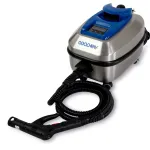
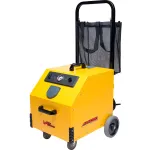
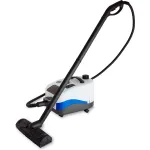
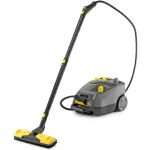
Steam Cleaners
Availability
Duty
Brand
Frame Material
Cleaning Width
Length
Voltage
Depth
Width
Material
Height
Type
Capacity
Color
Price
How to Choose the Right Steam Cleaner for Your Facility
Steam cleaners use heated water vapor to clean and sanitize a variety of surfaces without relying heavily on chemical cleaners. They are commonly used in healthcare facilities, schools, food service environments, hospitality settings, commercial buildings, and industrial facilities where cleanliness, sanitation, and efficiency are important.
Selecting the right steam cleaner depends on the surfaces being cleaned, facility size, cleaning frequency, portability requirements, and the level of sanitization needed. From compact portable units to commercial-grade vapor steam cleaners, different machines are designed to address specific cleaning challenges.
Compare Commercial Steam Cleaner Types
| Steam Cleaner Type | Typical Applications | Key Benefits |
|---|---|---|
| Portable Steam Cleaners | Offices, schools, hospitality facilities | Lightweight and easy to transport |
| Commercial Steam Cleaners | Commercial buildings, healthcare facilities, food service environments | Designed for frequent cleaning and sanitization |
| Vapor Steam Cleaners | Healthcare facilities, food preparation areas, restrooms | Produces low-moisture steam for faster drying |
| Continuous Fill Steam Cleaners | Large facilities, maintenance departments | Allows extended cleaning without lengthy interruptions |
| Steam Cleaner Vacuums | Healthcare facilities, schools, commercial buildings | Combines steam cleaning with debris and moisture recovery |
| Industrial Steam Cleaners | Manufacturing facilities, warehouses, heavy-duty applications | Designed for heavy-duty cleaning applications |
Benefits of Steam Cleaning
Steam cleaning provides several advantages for commercial and industrial facilities:
- Helps remove dirt, grease, and grime from hard surfaces
- Supports cleaning and sanitization with minimal chemical use
- Cleans grout lines, corners, and difficult-to-reach areas
- Reduces water consumption compared to some traditional cleaning methods
- Suitable for multiple surface types and environments
- Can improve cleaning efficiency in high-touch areas
Many facilities use steam cleaners as part of broader cleaning and maintenance programs to support cleanliness and operational efficiency.
Common Applications for Steam Cleaners
Steam cleaners are commonly used for:
- Restrooms and locker rooms
- Kitchens and food preparation areas
- Healthcare environments
- Schools and educational facilities
- Hospitality properties
- Manufacturing and industrial workspaces
- Tile and grout cleaning
- Equipment and machinery cleaning
Different applications may require varying steam pressure, temperature, and accessory configurations.
Choosing the Right Steam Cleaner
When selecting a steam cleaner, consider:
- Facility size and cleaning frequency
- Surface type and material compatibility
- Portability requirements
- Tank capacity and refill process
- Steam pressure and temperature output
- Accessory and attachment options
- Drying time requirements
- Maintenance and service needs
- Operator training requirements
Matching equipment to facility requirements can help improve cleaning consistency and productivity.
Vapor Steam Cleaner vs Traditional Steam Cleaner
Vapor steam cleaners use low-moisture steam that leaves surfaces drier after cleaning. They are often selected for healthcare environments, food service facilities, and other locations where faster drying times are beneficial.
Traditional steam cleaners may use greater water volume and are commonly used for general-purpose cleaning applications. The appropriate solution depends on facility requirements, surface conditions, and cleaning objectives.
Frequently Asked Questions
Have a Question? Our experts might already have the answers.
What is a steam cleaner used for?
Steam cleaners are used to clean and sanitize hard surfaces, tile, grout, equipment, restrooms, kitchens, and other commercial or industrial environments using heated water vapor.
What is the difference between a steam cleaner and a vapor steam cleaner?
Vapor steam cleaners produce low-moisture steam that leaves surfaces drier after cleaning, while traditional steam cleaners may use more water during the cleaning process.
Are steam cleaners effective for grout cleaning?
Yes. Steam cleaners are commonly used for cleaning grout lines because steam can help loosen dirt, grease, and buildup in textured surfaces and hard-to-reach areas.
Can steam cleaners be used in healthcare facilities?
Steam cleaners are frequently used in healthcare environments because they support cleaning and sanitization while minimizing reliance on chemical cleaning agents.
What surfaces can be cleaned with a steam cleaner?
Steam cleaners are commonly used on tile, grout, sealed hard floors, stainless steel, fixtures, countertops, and many other hard surfaces. Always verify surface compatibility before use.
Are steam cleaners better than chemical cleaners?
Steam cleaners and chemical cleaners serve different purposes. Many facilities use steam cleaning to reduce chemical usage while maintaining effective cleaning programs.
What size steam cleaner do I need?
The appropriate steam cleaner depends on facility size, cleaning frequency, portability requirements, and the types of surfaces being cleaned. Larger facilities often benefit from commercial or continuous-fill systems designed for extended operation.
What industries commonly use steam cleaners?
Steam cleaners are widely used in healthcare, education, hospitality, food service, commercial property management, manufacturing, and facility maintenance environments.